Proudly Serving Indianapolis, Fort Wayne
and Surrounding Areas
Emergency service appointments available
For Indianapolis Call: (317) 922-1271
For Fort Wayne Call: 260-999-4114
Categories
Termites

Signs of Termites in Fort Wayne Homes (And When to Call a Professional)

The challenge with termites in Fort Wayne isn’t just that they eat wood—it’s that they do it invisibly. They move through soil, crawl spaces, and walls, leaving subtle clues like bubbling paint or sagging floors that many mistake for routine wear and tear. Learning how to tell if you have termites in Fort Wayne means paying attention to these small changes and acting quickly before the colony causes lasting structural damage.

Mud Tubes Along Foundations

Mud tubes are one of the clearest indicators of subterranean termite activity. These pencil-thin tunnels, made of soil and saliva, allow termites to travel safely between their underground colony and the wood inside your home. You’ll often find them along basement walls, crawl spaces, or exterior foundations. Their presence means termites are actively feeding and expanding their reach.

What makes mud tubes especially concerning is their resilience. Even if you break them apart, termites will rebuild quickly. Homeowners sometimes dismiss them as dirt or debris, but they are essentially highways for termites. If you spot mud tubes, it’s not a minor issue—it’s evidence of an established colony that requires expert intervention.

Hollow or Damaged Wood

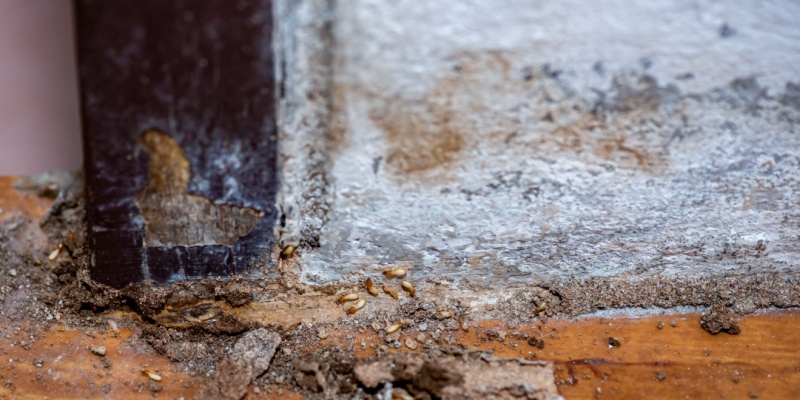
Wood that sounds hollow when tapped or crumbles easily is a classic warning sign of termites. Because they eat from the inside out, the surface may look fine while the interior is completely compromised. Floors may feel soft, beams may lose strength, and furniture can weaken without obvious surface damage.

This hidden destruction is dangerous because it undermines the structural integrity of your home. By the time hollow wood is noticeable, termites have likely been feeding for months. Ignoring it can lead to costly repairs, especially if the damage spreads to load-bearing beams or flooring.

Discarded Wings Near Windows and Doors

After swarming, termites shed their wings, leaving behind small piles near windowsills, doors, or light fixtures. Unlike ant wings, termite wings are equal in size, making them easier to identify. Finding discarded wings indoors is particularly alarming, as it suggests termites are already inside your home.

Swarming is how termites reproduce and expand their colonies. If you see wings, it means a colony is mature enough to spread. This isn’t just a nuisance—it’s a sign that termites are multiplying and your home is at risk of further infestation.

Bubbling Paint or Blistered Walls

Moisture created by termites inside walls often shows up as bubbling paint or blistered drywall. Many homeowners mistake this for water damage, but termites can create similar effects by tunneling beneath the surface. If plumbing issues aren’t to blame, termites may be the hidden cause.

This sign is especially deceptive because it looks like a minor cosmetic issue. In reality, bubbling paint can indicate termites are weakening the wall from within. Left untreated, this damage can spread quickly, compromising both aesthetics and structure.

Termite Droppings (Frass)

Drywood termites leave behind frass—small, pellet-like droppings that resemble sawdust or coffee grounds. These piles often collect near baseboards, windows, or infested wood. While frass may look insignificant, it’s a clear sign of active feeding.

Frass is more than just waste; it’s evidence that termites are tunneling and pushing debris out of their galleries. If you notice these piles, it means termites are not only present but actively damaging your home.

Sagging Floors and Sticking Doors

As termites weaken wooden supports, floors can begin to sag and doors or windows may no longer fit their frames properly. What feels like a minor alignment issue could actually be the result of structural damage.

This sign is particularly dangerous because it points to advanced infestation. When termites compromise the integrity of beams and supports, the safety of your home is at risk. Sagging floors and misaligned doors are not cosmetic problems — they’re warnings that termites have already done significant damage.

Swarming Termites in Spring

In Fort Wayne, termite swarms typically occur in spring or after heavy rainfall. Seeing winged termites indoors or around your property is one of the most obvious signs of an established colony.

Swarms are more than a seasonal annoyance. They indicate that termites are reproducing and spreading, which means your home is vulnerable to new colonies forming. If you see swarming termites, it’s a clear signal to schedule an expert inspection immediately.

Knowing When to Call a Termite Expert in Fort Wayne

Spotting the signs of termites is only the first step. The real challenge is knowing when those signs mean it’s time to bring in expert help. Termites don’t just damage wood on the surface—they build colonies that can number in the hundreds of thousands, hidden deep in soil or inside walls. Once established, they won’t go away on their own, and quick fixes rarely reach the source of the problem.

DIY sprays and store-bought treatments may seem like an easy solution, but they only target what you can see. Termites are experts at staying concealed, tunneling through beams, crawl spaces, and foundations where homeowners can’t reach. Without specialized tools and training, it’s nearly impossible to eliminate the colony. That’s why scheduling a professional termite inspection in Fort Wayne Indiana homes is the safest step once you notice mud tubes, hollow wood, or discarded wings.

Timing is critical. The longer termites remain undetected, the more damage they cause. What starts as a few subtle signs can quickly escalate into sagging floors, blistered walls, or weakened supports. Acting quickly not only prevents costly repairs but also ensures your home remains safe for your family. A licensed inspection provides clarity—confirming whether termites are present, how severe the activity is, and what treatment plan will stop them.

Termite experts also focus on prevention. In Fort Wayne, where subterranean termites thrive year-round, stopping one colony doesn’t guarantee another won’t move in. Experienced pest control technicians can identify entry points, recommend structural adjustments, and apply protective treatments that keep your home secure long after the initial problem is solved.

Fort Wayne’s Termite Line of Defense

By the time you spot the signs, termites have often been at work for weeks, quietly accelerating the damage to your home. That’s why homeowners across Indiana rely on Trio Pest Control. With more than 20 years of experience, we’ve built a reputation for protecting homes with inspections and treatments that go straight to the source of the problem.

Our licensed team knows how to spot the subtle warning signs that others miss. From mud tubes hidden along foundations to hollow beams inside walls, we track termite activity with precision and apply proven solutions that stop colonies in their tracks. Every service comes with our 90-day guarantee, giving Fort Wayne families confidence that their homes are secure.

If you’ve noticed suspicious changes or simply want peace of mind, now is the time to act. Call Trio Pest Control today and let our termite experts safeguard your home, ensuring it stays strong, safe, and pest-free for years to come.

Categories
Termites

How Much Does Termite Treatment Cost in Indianapolis, IN? (2026 Guide)

Termite treatment isn’t something homeowners in Indianapolis can afford to guess at. Costs in 2026 vary widely, and knowing the average price range helps you plan before damage becomes expensive. This guide looks at what termite treatment really costs in Indianapolis, why prices differ, and how to make sure you’re paying for effective protection rather than just a quick fix.

Average Termite Treatment Costs in Indianapolis (2026)

For Indianapolis homeowners in 2026, termite treatment costs typically fall within these ranges, depending on the situation:

  • Inspection Fees ($75–$150): A professional inspection identifies whether termites are present and how severe the problem is. Many companies, including Trio Pest Control, may waive this fee if you proceed with treatment.
  • Preventive Treatments ($600–$1,200): Liquid barriers or bait stations installed around the home to stop termites before they cause damage. This is ideal for homeowners who want protection without waiting for an infestation.
  • Localized Infestation Treatments ($1,200–$2,500): Active colonies inside walls, crawl spaces, or foundations require targeted treatment. Costs rise with the size of the colony and the accessibility of the affected area.
  • Severe Infestation or Full-Structure Treatment ($2,000–$5,000): When termites have spread throughout the property, more intensive methods such as tenting or comprehensive barrier systems may be necessary. These are the most expensive but also the most thorough.
  • Annual Monitoring Plans ($240–$400 per year): Ongoing protection programs include scheduled inspections and maintenance of bait stations or barriers. These plans help prevent reinfestation and spread costs out over time.

These figures represent average termite treatment pricing in Indianapolis for 2026, but every home is different. Trio Pest Control provides customized quotes after a detailed inspection, ensuring you only pay for the treatment your property truly requires.

What Affects Termite Treatment Pricing?

The cost of termite treatment in Indianapolis isn’t one-size-fits-all. Several real-world factors determine how much you’ll pay:

  • Treatment Method: Liquid barrier systems are often priced per linear foot, making them cost-effective for perimeter protection. Bait stations, on the other hand, require ongoing monitoring and replacement, which adds to long-term costs. Heat treatments are less common but can be more expensive due to specialized equipment.
  • Extent of Infestation: A small colony in a crawl space might only require localized treatment, while termites that have spread into multiple rooms or structural beams demand a full-property approach. The more widespread the damage, the higher the cost.
  • Home Size and Layout: Larger homes naturally require more product and technician time. A two-story house with a basement will cost more to treat than a single-level home with easy access points.
  • Foundation Type: Slab foundations often require drilling to apply liquid treatments, which increases labor costs. Crawl spaces may be easier to access but can still complicate treatment if moisture issues are present.
  • Follow-Up and Monitoring: Some infestations need multiple visits to ensure colonies are fully eliminated. Ongoing monitoring plans add to the upfront cost but save money by preventing reinfestation.
  • Preventive vs. Emergency Service: Preventive treatments are scheduled and controlled, keeping costs predictable. Emergency services for active infestations often require more labor, faster response times, and higher pricing.

Is Termite Treatment Worth the Cost?

Yes. Termite damage can cost homeowners thousands in repairs, often far exceeding the price of treatment. Professional termite control not only protects your home’s structure but also preserves its long-term value. In Indianapolis, where termites are a recurring issue, treatment is less a luxury and more a safeguard.

Termite treatment protects the financial stability of your home. Repairing structural damage caused by termites can run into tens of thousands of dollars, especially if beams, flooring, or foundations are compromised. By investing in treatment early, you avoid those steep repair bills and keep your property safe for years to come.

Treatment strengthens your position if you plan to sell your home. Buyers are cautious about properties with a history of termite activity, and untreated infestations can lower market value or even stop a sale altogether. A documented treatment plan reassures buyers that the home is secure, helping you maintain its full worth in the market.

Peace of mind is a benefit that comes with professional service. Termites often work silently, and infestations can go unnoticed until damage is extensive. Knowing your home is handled by experts removes uncertainty and stress. Preventive plans give you confidence that termites won’t return, saving you from unexpected expenses and worry in the future.

Affordable Termite Treatment in Indianapolis

If you’re searching for affordable termite treatment in Indianapolis, it’s important to balance cost with expertise. The cheapest option isn’t always the best—inexperienced providers may miss hidden colonies or fail to prevent re‑infestation. Choosing a company with proven results ensures your investment pays off in long‑term protection.

Trio Pest Control provides termite solutions that are both effective and budget‑friendly. With more than 20 years of local experience, our licensed technicians deliver inspections, treatments, and prevention strategies designed for Indiana homes. Every service is backed by a 90‑day guarantee, giving you confidence that your home is handled with care and precision.

Contact Trio Pest Control today to schedule your inspection and keep your home safe from costly termite damage.

Categories
Termites

Are Termites a Problem in Fort Wayne Homes? What Homeowners Need to Know

Owning a home in Fort Wayne comes with its share of responsibilities, and one of the most overlooked threats is termites. These insects don’t announce themselves with noise or mess—they work quietly, often for months or years, before the damage becomes obvious. For homeowners here, termites aren’t a distant issue; they’re a local reality shaped by Indiana’s climate and soil conditions. Many residents turn to termite control in Fort Wayne as a reliable way to preserve property value and keep their houses structurally sound.

Termites in Fort Wayne: The Local Picture

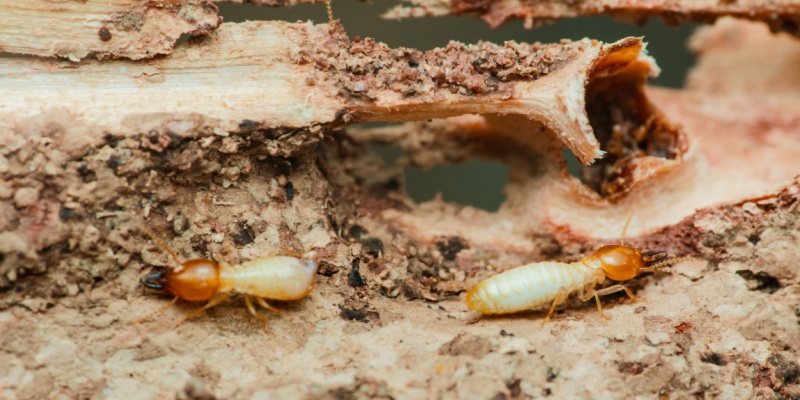
Fort Wayne’s environment gives termites exactly what they need: moisture, shelter, and food. Subterranean termites, the most destructive species in Indiana, build colonies beneath the soil and move upward into homes through hidden tunnels. Because they operate underground, many infestations remain invisible until the structure itself begins to weaken.

Seasonal changes in Indiana intensify the problem. In spring, heavy rains saturate the soil, creating ideal breeding conditions. By summer, the heat speeds up their feeding cycles, allowing colonies to expand quickly. Even in winter, termites remain active below the frost line, which means homeowners can’t rely on cold weather to stop them.

Construction styles in Fort Wayne add a layer of risk. Basements and crawl spaces often trap humidity, creating hidden entry points. Wooden framing, which is common in local housing, provides a steady food source once termites gain access. Over time, they can spread through beams, joists, and flooring without being noticed until damage becomes severe.

Neighborhood diversity plays a role as well. Older homes may contain untreated lumber that is easier for termites to consume, while newer developments sometimes use landscaping choices — such as mulch beds pressed against exterior walls — that unintentionally attract colonies. This mix of conditions means that every property type, regardless of age, carries some level of vulnerability.

How Termites Reveal Themselves

Termites rarely show themselves directly, but they leave behind subtle clues that can tell you something is wrong. In Fort Wayne homes, these signs often appear in overlooked corners and everyday surfaces:

  • Mud tunnels along foundations or basement walls: Pencil‑thin tubes of soil that termites build to stay moist while traveling between the colony and your home.
  • Wood that crumbles in sheets or sounds hollow: Termites eat from the inside out, leaving only a thin outer layer that can collapse when pressed.
  • Paint or drywall that buckles without water damage: Hidden feeding weakens the structure beneath, causing finishes to bubble, peel, or warp.
  • Discarded wings near windowsills and doorframes: Swarmers shed their wings after finding a place to start a new colony, often leaving piles that resemble fish scales.
  • Fine, sand‑like droppings (frass) near baseboards or flooring: These tiny pellets are termite waste, often mistaken for dust but a clear sign of activity.

Each of these indicators may seem minor on its own, but together they often point to a colony already at work inside the structure.

Why Fort Wayne Homes Face Higher Risk

Fort Wayne’s climate and housing conditions create an environment where termites can thrive. Humid summers and frequent rainfall keep the soil damp, which is ideal for subterranean colonies. That moisture often seeps into basements and crawl spaces, giving termites a direct path to the wooden framework of a house.

Many properties in the area, especially older ones, have untreated lumber or small gaps in foundations that make them easier targets. Even newer homes can face issues when decks, fences, or sheds are built with wood that touches the ground. Landscaping choices, such as placing mulch against exterior walls, can provide food and shelter for termites right next to the house.

These factors make Fort Wayne homes more vulnerable than those in drier regions, which is why homeowners here need to be especially proactive about inspections and prevention.

Reducing the Risk of Termite Damage

Preventing termites is about making your home less appealing to them. Instead of surface fixes, think of these steps as long-term habits that keep your property protected:

  • Store firewood and mulch away from exterior wall: Termites are drawn to cellulose-rich materials like wood and mulch. Keeping these items at least 20 feet from your home reduces the chance of colonies migrating from stored wood into your foundation.
  • Fix leaks quickly and redirect water away from foundations: Moisture is a magnet for subterranean termites. Repairing dripping faucets, broken gutters, or cracked downspouts prevents damp soil conditions that encourage colonies to thrive.
  • Seal cracks around pipes, vents, and utility lines: Even small gaps can serve as hidden entry points. Using caulk or weather-resistant sealant closes off these pathways and makes it harder for termites to move from soil into structural wood.
  • Improve airflow in crawl spaces to reduce dampness: Ventilation fans or properly placed vents help keep crawl spaces dry. A drier environment makes it less likely that termites will find the conditions they need to survive.
  • Schedule a termite inspection in Fort Wayne at least once a year: Professional inspections from Trio Pest Control catch early signs of activity before damage becomes extensive. Regular monitoring with our team is one of the most effective ways to protect your home long-term.

These measures don’t eliminate the possibility of termites, but they significantly lower the risk and make your home far less inviting to them.

Time to Trust the Specialists

Once termites have established themselves inside a home, quick fixes and store‑bought sprays won’t reach the colony where it matters most. These pests operate deep within soil and hidden wood structures, making them nearly impossible to eliminate without professional expertise. Attempting DIY solutions often delays the problem, giving colonies more time to expand and cause costly damage.

This is the point where specialists take over. At Trio Pest Control, we go beyond surface treatments by using strategies that reach deep into the soil and structural wood where colonies are active. Our technicians bring years of experience working with Fort Wayne homeowners, applying solutions tailored to the local climate and building styles that make properties vulnerable. The result is not just the elimination of the current infestation but long-term results that keep your home secure.

Stopping termites isn’t only about dealing with what’s visible—it’s about building a barrier between your family and costly damage. Contact Trio Pest Control today to schedule a professional inspection and safeguard your property before hidden damage takes hold.

Categories
Mosquitoes

Do Backyard Mosquito Treatments Really Work in Indiana’s Humid Climate?

Yes—backyard mosquito treatments do work in Indiana’s humid climate. While humidity makes mosquito control more challenging, professional treatments are designed to reduce populations significantly and create a more comfortable outdoor environment. The key lies in understanding the reasons behind their effectiveness.

Professional Products Are Built for Humidity

Unlike store‑bought sprays, professional mosquito control products are formulated to hold up against damp conditions. They adhere to leaves, shrubs, and shaded surfaces where mosquitoes rest, creating a residual effect that continues working even after application. This bonding ability is critical in Indiana’s humid summers, where moisture could otherwise wash away weaker solutions.

Professional products also undergo rigorous testing to ensure they remain effective in climates with high moisture levels. Licensed technicians use these solutions because they are proven to last longer and deliver consistent results.

  • Humidity‑resistant formulations: Specifically engineered to remain active in damp, moisture‑heavy environments.
  • Residual protection: Continues killing or repelling mosquitoes for weeks after application, even when humidity is high.
  • Adhesion to foliage: Bonds tightly to leaves, shrubs, and shaded surfaces where mosquitoes naturally rest.
  • Professional‑grade strength: Stronger than DIY sprays, ensuring longer coverage and deeper penetration.
  • Tested durability: Products are evaluated in humid and rainy climates to guarantee effectiveness.
  • Safe application: Licensed technicians apply treatments carefully to maximize impact while protecting plants and pets.

Barrier Protection Targets Resting Zones

Mosquitoes don’t just hover in open air—they spend most of their time hiding in shaded, humid areas like tall grass, under decks, and dense shrubs. Professional treatments focus on these zones, coating them with a protective barrier that interrupts mosquito activity. By targeting the places mosquitoes naturally gather, treatments reduce populations at the source rather than just chasing them away temporarily.

This approach is especially effective in Indiana, where humidity makes these hiding spots more attractive to mosquitoes. By treating the environment mosquitoes rely on, homeowners see a noticeable reduction in activity around patios, play areas, and outdoor living spaces.

Barrier treatments also help break the mosquito life cycle. By reducing resting areas, they limit opportunities for mosquitoes to reproduce and spread. Over time, this creates a more sustainable level of control, even in humid conditions.

Recurring Treatments Match Indiana’s Climate Cycle

Humidity shortens the lifespan of sprays, and heavy rains can wash away protective layers. That’s why recurring treatments are essential. Professional mosquito control services schedule applications throughout the season, ensuring that protection is refreshed before mosquitoes rebound.

In Indiana’s climate, consistency is the difference between temporary relief and long‑term control. Regular service keeps mosquito populations suppressed even during peak summer months, giving families reliable protection.

  • Scheduled applications: Timed to maintain coverage during peak mosquito season.
  • Protection refreshed: Ensures mosquitoes don’t rebound after rain or humidity weakens treatments.
  • Seasonal adjustments: Treatments are tailored to Indiana’s summer climate cycle, accounting for humidity and rainfall.
  • Population suppression: Keeps mosquito numbers consistently low throughout the season.
  • Reliable comfort: Families spend time outdoors without interruption from mosquito swarms.
  • Long‑term planning: Recurring services anticipate seasonal spikes, preventing infestations before they start.

Integrated Prevention Strengthens Results

Sprays alone can’t solve the problem if a yard provides endless breeding grounds. Preventive steps like removing standing water from gutters, birdbaths, and buckets, trimming vegetation, and clearing clutter make treatments more effective. When homeowners combine these measures with professional spraying, they reduce the conditions mosquitoes rely on to thrive.

In humid weather, where breeding accelerates, this integrated approach ensures that treatments deliver stronger, longer‑lasting results. Preventive measures also reduce the need for more frequent applications, saving homeowners time and money while keeping their outdoor spaces comfortable.

Preventive strategies also help protect against other pests that thrive in humid conditions, such as ants and spiders. By maintaining a clean and well‑managed yard, homeowners create an environment that is less attractive to pests overall, reinforcing the effectiveness of mosquito treatments.

Strategies Refined by Humid Summers

Indiana’s climate is unique, and local technicians understand how humidity, rainfall, and seasonal changes affect mosquito behavior. Their experience allows them to time treatments correctly and apply them in the areas that matter most.

A technician who knows the local environment can anticipate challenges like sudden rainstorms or unusually damp weeks, adjusting strategies to maintain effectiveness. This local knowledge is a major advantage over generic DIY solutions.

  • Climate‑specific training: Technicians are trained to handle Indiana’s humid conditions effectively.
  • Adaptive strategies: Adjustments made for sudden rain or damp weather that could weaken treatments.
  • Knowledge of breeding patterns: Understanding where mosquitoes thrive locally ensures precise targeting.
  • Tailored applications: Treatments customized for Indiana yards, not generic one‑size‑fits‑all solutions.
  • Proven local results: Effectiveness backed by years of regional experience and customer success stories.
  • Community familiarity: Technicians know the neighborhoods, common yard layouts, and local pest trends.

Treatments Reduce Disease Risk

Mosquitoes aren’t just a nuisance—they can carry diseases such as West Nile virus. By lowering mosquito populations, treatments reduce the risk of bites that could transmit illness. This health benefit is especially important in humid climates, where mosquitoes breed rapidly and spread more easily.

Professional treatments provide peace of mind, protecting not only comfort but also family health. For households with children, elderly family members, or pets, reducing mosquito populations is more than convenience—it’s a safeguard against potential health risks.

  • Reduced disease transmission—lowers the risk of West Nile and other mosquito-borne illnesses.
  • Fewer bites decrease exposure during peak humidity when mosquitoes are most active.
  • Family protection—added safety for children, elderly relatives, and vulnerable individuals.
  • Pet safety—reduces mosquito exposure for dogs and cats, preventing irritation and possible disease.
  • Peace of mind knowing your yard is safer for everyone.
  • Community health impact—widespread treatments reduce mosquito populations across neighborhoods.

Outdoor Comfort Improves Immediately

The most noticeable benefit of mosquito treatments is quality of life. Families can spend time outdoors without constant swatting or retreating indoors. Even in Indiana’s humid climate, treatments create a more livable outdoor environment.

For homeowners who value their outdoor spaces, this immediate improvement makes treatments well worth the investment. The ability to host barbecues, relax in the evening, or let kids play outside without constant mosquito interference is a major lifestyle upgrade.

Comfort also extends to guests and visitors. Whether hosting a summer party or enjoying a quiet evening, mosquito treatments ensure that outdoor spaces remain welcoming and usable, even in peak humidity.

Outsmart the Humidity

Indiana’s damp summers may seem like the perfect breeding ground for mosquitoes, but Trio Pest Control knows how to turn those same conditions against them. Our approach zeroes in on the shaded corners, dense vegetation, and hidden water pockets mosquitoes rely on, applying treatments that are timed and adapted to the rhythm of local weather. Instead of letting humidity fuel their growth, we use precision and strategy to cut populations at the source.

Mosquitoes may exploit Indiana’s climate, but they don’t have to control your backyard. Contact Trio Pest Control today and see how our expertise transforms the toughest conditions into a clear advantage for your home.