
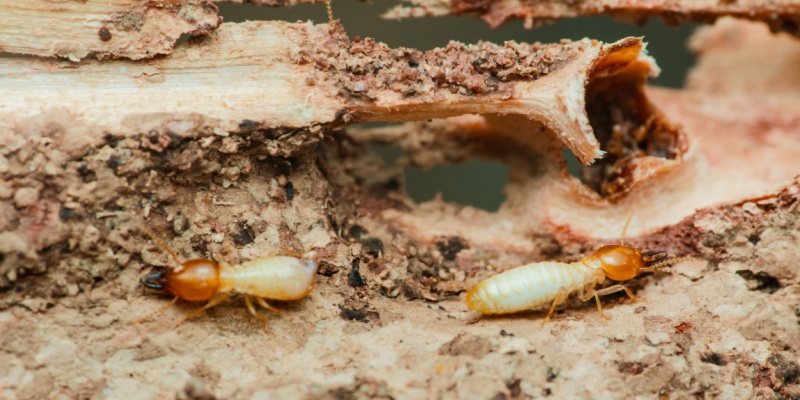
Owning a home in Fort Wayne comes with its share of responsibilities, and one of the most overlooked threats is termites. These insects don’t announce themselves with noise or mess—they work quietly, often for months or years, before the damage becomes obvious. For homeowners here, termites aren’t a distant issue; they’re a local reality shaped by Indiana’s climate and soil conditions. Many residents turn to termite control in Fort Wayne as a reliable way to preserve property value and keep their houses structurally sound.
Termites in Fort Wayne: The Local Picture
Fort Wayne’s environment gives termites exactly what they need: moisture, shelter, and food. Subterranean termites, the most destructive species in Indiana, build colonies beneath the soil and move upward into homes through hidden tunnels. Because they operate underground, many infestations remain invisible until the structure itself begins to weaken.
Seasonal changes in Indiana intensify the problem. In spring, heavy rains saturate the soil, creating ideal breeding conditions. By summer, the heat speeds up their feeding cycles, allowing colonies to expand quickly. Even in winter, termites remain active below the frost line, which means homeowners can’t rely on cold weather to stop them.
Construction styles in Fort Wayne add a layer of risk. Basements and crawl spaces often trap humidity, creating hidden entry points. Wooden framing, which is common in local housing, provides a steady food source once termites gain access. Over time, they can spread through beams, joists, and flooring without being noticed until damage becomes severe.
Neighborhood diversity plays a role as well. Older homes may contain untreated lumber that is easier for termites to consume, while newer developments sometimes use landscaping choices — such as mulch beds pressed against exterior walls — that unintentionally attract colonies. This mix of conditions means that every property type, regardless of age, carries some level of vulnerability.
How Termites Reveal Themselves
Termites rarely show themselves directly, but they leave behind subtle clues that can tell you something is wrong. In Fort Wayne homes, these signs often appear in overlooked corners and everyday surfaces:
- Mud tunnels along foundations or basement walls: Pencil‑thin tubes of soil that termites build to stay moist while traveling between the colony and your home.
- Wood that crumbles in sheets or sounds hollow: Termites eat from the inside out, leaving only a thin outer layer that can collapse when pressed.
- Paint or drywall that buckles without water damage: Hidden feeding weakens the structure beneath, causing finishes to bubble, peel, or warp.
- Discarded wings near windowsills and doorframes: Swarmers shed their wings after finding a place to start a new colony, often leaving piles that resemble fish scales.
- Fine, sand‑like droppings (frass) near baseboards or flooring: These tiny pellets are termite waste, often mistaken for dust but a clear sign of activity.
Each of these indicators may seem minor on its own, but together they often point to a colony already at work inside the structure.
Why Fort Wayne Homes Face Higher Risk
Fort Wayne’s climate and housing conditions create an environment where termites can thrive. Humid summers and frequent rainfall keep the soil damp, which is ideal for subterranean colonies. That moisture often seeps into basements and crawl spaces, giving termites a direct path to the wooden framework of a house.
Many properties in the area, especially older ones, have untreated lumber or small gaps in foundations that make them easier targets. Even newer homes can face issues when decks, fences, or sheds are built with wood that touches the ground. Landscaping choices, such as placing mulch against exterior walls, can provide food and shelter for termites right next to the house.
These factors make Fort Wayne homes more vulnerable than those in drier regions, which is why homeowners here need to be especially proactive about inspections and prevention.
Reducing the Risk of Termite Damage
Preventing termites is about making your home less appealing to them. Instead of surface fixes, think of these steps as long-term habits that keep your property protected:
- Store firewood and mulch away from exterior wall: Termites are drawn to cellulose-rich materials like wood and mulch. Keeping these items at least 20 feet from your home reduces the chance of colonies migrating from stored wood into your foundation.
- Fix leaks quickly and redirect water away from foundations: Moisture is a magnet for subterranean termites. Repairing dripping faucets, broken gutters, or cracked downspouts prevents damp soil conditions that encourage colonies to thrive.
- Seal cracks around pipes, vents, and utility lines: Even small gaps can serve as hidden entry points. Using caulk or weather-resistant sealant closes off these pathways and makes it harder for termites to move from soil into structural wood.
- Improve airflow in crawl spaces to reduce dampness: Ventilation fans or properly placed vents help keep crawl spaces dry. A drier environment makes it less likely that termites will find the conditions they need to survive.
- Schedule a termite inspection in Fort Wayne at least once a year: Professional inspections from Trio Pest Control catch early signs of activity before damage becomes extensive. Regular monitoring with our team is one of the most effective ways to protect your home long-term.
These measures don’t eliminate the possibility of termites, but they significantly lower the risk and make your home far less inviting to them.
Time to Trust the Specialists
Once termites have established themselves inside a home, quick fixes and store‑bought sprays won’t reach the colony where it matters most. These pests operate deep within soil and hidden wood structures, making them nearly impossible to eliminate without professional expertise. Attempting DIY solutions often delays the problem, giving colonies more time to expand and cause costly damage.
This is the point where specialists take over. At Trio Pest Control, we go beyond surface treatments by using strategies that reach deep into the soil and structural wood where colonies are active. Our technicians bring years of experience working with Fort Wayne homeowners, applying solutions tailored to the local climate and building styles that make properties vulnerable. The result is not just the elimination of the current infestation but long-term results that keep your home secure.
Stopping termites isn’t only about dealing with what’s visible—it's about building a barrier between your family and costly damage. Contact Trio Pest Control today to schedule a professional inspection and safeguard your property before hidden damage takes hold.