Proudly Serving Indianapolis, Fort Wayne
and Surrounding Areas
Emergency service appointments available
For Indianapolis Call: (317) 922-1271
For Fort Wayne Call: 260-999-4114
Categories
Spiders

Are the Spiders in Your Fort Wayne Garage Coming From Outside—or Living There?

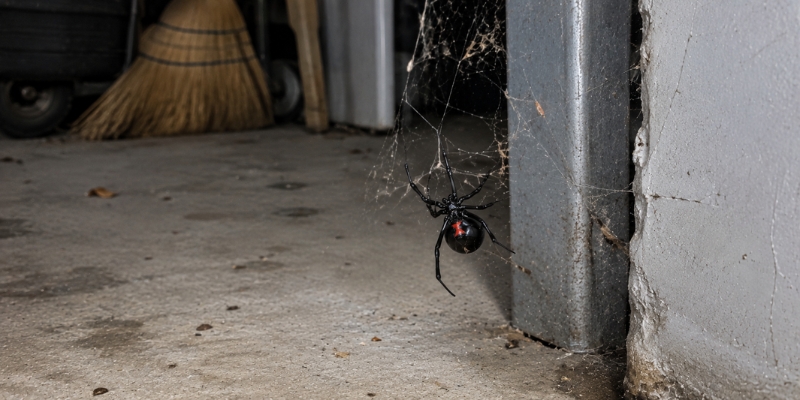
Spiders in a Fort Wayne garage may be entering from outside, living and reproducing inside, or doing both. A single spider near an open overhead door often wandered in, while repeated sightings of similar spiders, egg sacs, and webs in protected corners suggest the garage is supporting ongoing activity. Trio Pest Control provides spider control in Fort Wayne for garages where the source is difficult to pin down.

Signs of Outdoor Entry

Garages are unusually open parts of a home. The overhead door creates a wide entry whenever it is raised, and small gaps remain if the bottom seal, side seals, or frame no longer fit properly. Service doors, windows, vents, and penetrations for wiring or utilities add more routes. Items carried in from a shed, yard, or delivery can transport a spider as well.

Evidence that points toward occasional outdoor entry includes:

  • Sightings clustered beside the overhead door or an exterior service door
  • Activity that rises after the door stays open for yard work
  • Outdoor web-building species appearing without indoor webs or egg sacs
  • Spiders found shortly after firewood, plants, boxes, or equipment are brought inside

Season adds context. Mature spiders roam frequently in late summer, and changing temperatures alter where insects and spiders find shelter. One wanderer after a weather change supplies limited information about the rest of the garage.

Signs the Garage Is Supporting Spiders

A garage can function like a large sheltered outbuilding. It stays drier than the yard, contains quiet ceiling and wall edges, and often holds undisturbed storage. Exterior lights and small gaps admit insects. The space may therefore provide food, retreats, and egg-laying sites throughout the season.

Recurring webs in the same corners, spiders of different sizes, shed skins, egg sacs, and repeated trap catches away from doors point toward resident activity. Similar spiders appearing over several weeks carry more weight than several different outdoor species found after the door has been open.

Attached garages also connect to wall voids, attics, utility chases, and the living area. Weatherstripping on the door between the garage and house helps with pest exclusion as well as the door’s intended separation function. Any repair should preserve fire-safety requirements and proper operation.

Stored Items Blur the Line Between Outside and Inside

Cardboard boxes, gardening supplies, sports gear, tarps, and seasonal decorations create protected folds and voids. A spider can arrive inside an item and then remain because the garage offers suitable conditions. Storage can also conceal webbing and egg sacs, making a small population difficult to see.

Move items carefully, wear gloves, and avoid placing hands into unseen spaces. Replace damaged cardboard with lidded plastic containers when practical. Keep storage elevated and leave room to inspect walls and floor edges. Vacuum visible spiders, webs, and egg sacs, then dispose of the contents outside.

Firewood deserves special handling. Store it away from the home and bring in only the amount needed for immediate use. Wood piles shelter many insects and spiders, and keeping them beside an attached garage increases traffic near openings.

Prey Can Keep the Garage Occupied

Spiders need food. Flies around trash, beetles drawn to lights, pantry pests in birdseed, and insects associated with damp cardboard can all support them. Pet food, grass seed, and birdseed should be kept in secure containers. Clean spills, manage trash, and address leaking faucets or condensation.

Review exterior lighting near the garage door. A bright fixture directly above the opening brings flying insects to the same place where spiders have strong web anchors. Adjusting the fixture, bulb, or operating schedule may reduce that concentration while preserving needed visibility and security.

Monitoring Helps Separate the Two Sources

Place glue-board monitors along wall edges and behind storage where they remain inaccessible to children and pets. Date each trap and record catches by location. Activity concentrated beside the overhead door suggests an entry route. Catches deep in the garage, especially among storage or near interior wall connections, can point to established harborages.

Identification adds context. Large circular webs generally belong to outdoor web builders. Wolf spiders are active hunters and may roam in through a door. Brown recluse spiders use hidden retreats and are less common in northern Indiana than in the southern half of the state; any suspected specimen should be identified carefully rather than labeled by its brown color.

Closing the Route and Reducing the Habitat

Inspect the overhead-door seal in daylight from inside the closed garage. Light showing at the corners or under the seal may reveal a repair need. Check service-door sweeps, window screens, and appropriate utility gaps. Keep drainage and ventilation openings functional, and use materials suitable for each building joint.

The interior needs equal attention when resident activity is present. Reduce clutter, remove webs and egg sacs, correct moisture, protect stored foods, and address other insects. Professional service can combine inspection, identification, targeted treatment, and practical exclusion recommendations.

If you keep finding spiders throughout the garage and cannot tell whether they are visitors or residents, schedule an evaluation with Trio Pest Control so the response can target the source.
Categories
Spiders

What Attracts Spiders to Basements in Fort Wayne, Indiana?

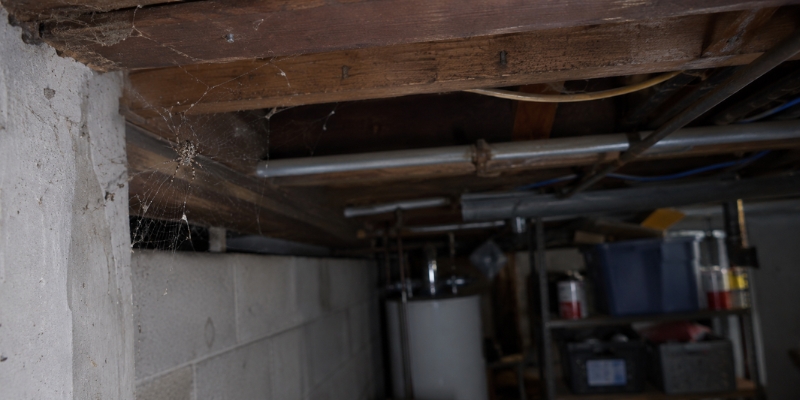
Fort Wayne basements attract spiders when they provide insect prey, stable shelter, accessible gaps, and enough moisture for small pests to thrive. Dim corners, exposed joists, utility penetrations, stored belongings, and low traffic can support both web builders and wandering hunters. Professional spider control for Fort Wayne homes can identify the species present and trace the conditions making your basement useful to them.

The Basement Is Connected to the Outdoors

The lowest level of a house contains many transitions between soil, foundation, utilities, and indoor space. Gaps around pipes and cables, cracks at joints, loose basement-window frames, uncovered sump openings, and worn seals can admit spiders or the insects they follow. A spider may also move down from a wall void or arrive in a box stored after time in a garage or shed.

Basements often stay cooler and more stable than upper floors. That stability creates protected resting sites during hot weather and cold snaps. Unfinished ceilings, rim joists, sill plates, floor drains, and spaces behind insulation provide edges where spiders can retreat without much disturbance.

Moisture Supports the Food Supply

Spiders eat other small animals, especially insects. A damp basement may support fungus gnats, drain flies, springtails, silverfish, sowbugs, centipedes, and other organisms associated with moisture or organic debris. Spiders follow that food rather than seeking dampness for the same reasons as those prey species.

Condensation on pipes, foundation seepage, a leaking utility sink, an open sump, or persistently high humidity can keep part of the basement favorable. Cardboard stored on a floor may absorb moisture and create additional shelter for insects. Even a small damp zone behind appliances or shelving can sustain activity that is easy to miss during normal cleaning.

A dehumidifier may help when humidity is the issue, but it cannot repair a leak or correct exterior drainage. Downspouts, grading, gutters, plumbing, and foundation conditions may all need attention. Match the correction to the source instead of treating every moisture problem as an indoor-air problem.

Quiet Storage Creates Hiding Places

Basements often collect items that remain untouched for months. Boxes, folded fabric, paper bags, seasonal decorations, and furniture create narrow protected spaces. Web-building spiders can anchor silk behind stored items, while hunting spiders can rest in seams and gaps during daylight.

Organization makes the area easier to inspect. Place belongings in secure plastic containers when practical, keep containers off the floor, and leave a small inspection path along foundation walls. Vacuum accessible webs, corners, and egg sacs. Empty the vacuum outside after collecting live spiders or sacs.

Regular movement makes a hiding place less dependable. A clean-looking basement can still support spiders when storage conceals the edges that cleaning tools never reach. Reducing dense, long-term clutter exposes those locations and makes monitoring more informative.

Lighting and Windows Can Create Local Hot Spots

Basement windows and walkout doors can concentrate insects. Light from a finished basement draws small insects toward glass after dark, and damaged screens allow some to enter. Window wells collect leaves and moisture, creating habitat immediately beside the frame. Webs around one window often point to a local prey source rather than a basement-wide infestation.

Clean window wells, check covers where appropriate, repair screens, and inspect seals. Remove organic debris and address standing water. If webs continue to form in that one area, a monitoring trap placed safely along the wall may show whether spiders are entering there or traveling from another part of the basement.

Reading the Evidence in Your Basement

Web location and shape can help separate types of activity. Cellar spiders often hang in loose, irregular webs in corners or beneath joists. Funnel weavers build sheetlike webs leading to a retreat. Wolf spiders hunt on foot and are likely to be seen moving along floors. Brown recluse spiders create small retreats instead of conspicuous capture webs and become less common as you travel north through Indiana, so a brown basement spider should be identified using several features beyond color.

Repeated sightings provide stronger evidence than one isolated spider. Note the room, date, and time, and save a clear photo from a safe distance. Glue-board monitoring along wall edges can reveal travel patterns, but place traps where children and pets cannot reach them. An intact specimen is particularly useful when identification affects the control plan.

How a Professional Inspection Uses Those Clues

A technician can inspect likely entry routes, moisture zones, storage edges, and insect activity. Species identification helps determine whether the spiders are temporary invaders, established indoor residents, or predators following a separate pest problem. Treatment can then focus on active harborages and travel routes while recommendations address exclusion, storage, and moisture.

The strongest plan combines immediate reduction with environmental changes. Removing spiders without correcting a window gap or prey source leaves an open opportunity. Correcting humidity without inspecting wall voids may miss an established source. The property’s evidence determines the balance.

If basement sightings are frequent or you are unsure which spider is present, contact Trio Pest Control to arrange a Fort Wayne inspection and get a plan based on your basement’s actual conditions.

Categories
Spiders

Why Spiders Keep Building Webs Around Your Fort Wayne Home’s Siding and Windows

Spiders repeatedly build around siding and windows because those surfaces provide protected attachment points close to a steady supply of insects. Exterior lighting, small gaps, moisture, and nearby vegetation can make the same few sections of a Fort Wayne home productive night after night. Trio Pest Control’s Fort Wayne spider-control service can address recurring webbing while looking for the prey and shelter that keep drawing spiders back.

Window Areas Concentrate Insect Activity

Light escaping through windows attracts moths, flies, midges, and other small insects after dark. A porch fixture mounted beside a window can strengthen that effect. Spiders do not need to enter the house to benefit; they can place a web across the frame, beneath a sill, behind a shutter, or between the siding and trim.

Air movement also funnels small insects along walls. Corners, recessed windows, downspouts, and transitions between materials interrupt that airflow and create useful web sites. An overhang shields silk from rain, while a frame supplies several firm anchor points. Once a spider finds a productive location, it may repair the web each evening or rebuild nearby after cleaning.

Siding Offers Shelter Beyond the Visible Web

The web is only the feeding structure. Many spiders spend daylight hours in a crack, behind trim, beneath a siding edge, or inside a small silk retreat. Vinyl siding overlaps create numerous protected spaces. Brick weep holes, utility penetrations, loose caulk, shutters, soffit gaps, and door or window trim can provide similar shelter.

Several property conditions make these areas especially attractive:

  • Bright fixtures positioned directly beside doors or windows
  • Bushes, vines, or tree branches touching the wall
  • Damp mulch, clogged gutters, or drainage problems near the foundation
  • Damaged screens, worn seals, and gaps around exterior penetrations
  • Outdoor clutter that shelters insects close to the structure

These features do not all require the same correction. Weep holes and ventilation openings, for example, perform important building functions and should not simply be sealed. A careful inspection separates necessary openings from repairable gaps.

Why Web Removal Alone Has Short-Lived Results

Sweeping down visible webs removes the current structure, and it may remove a spider or egg sac if done thoroughly. The wall still offers the same insect traffic and protected geometry afterward. Another spider can occupy the location, or the original spider may emerge from a nearby retreat and rebuild.

Timing can make the return seem almost immediate. Many web-building species repair or replace silk at night. A clean window frame at dinner may have fresh strands by morning. Dew collects on new silk and makes it highly visible, which explains why recurring webs often appear most dramatic early in the day.

Use a vacuum or long-handled web-removal tool on accessible areas, and collect egg sacs rather than knocking them into a hidden crevice. Work from a stable surface and leave high rooflines or unsafe ladder locations to a professional. Frequent removal can make a site less successful, but it works best alongside prey reduction and exclusion.

Practical Adjustments Around Siding and Windows

Review the lighting first. Place fixtures away from frequently used entrances where the property layout allows, direct light toward the area that needs illumination, and consider bulbs less attractive to night-flying insects. Close blinds or curtains when indoor light is drawing insects to a particular pane.

Trim vegetation so leaves and branches do not rest against siding or window trim. Clear leaf litter from wells and foundation edges. Correct gutter overflow and leaks, and avoid keeping damp materials against the wall. These changes reduce insects and remove travel routes.

Inspect screens, frame corners, door sweeps, weatherstripping, and appropriate joints around pipes and cables. Repairs can reduce both spider and prey entry. An exterior web shows that the site works for outdoor hunting; indoor evidence—such as repeated sightings, webbing in several rooms, or monitoring-trap catches—helps clarify whether activity extends into the house.

What Professional Spider Control Addresses

A professional inspection maps where webbing is heaviest and considers what sits beside those areas. The technician can identify common web-building spiders, look for retreats and egg sacs, note insect activity, and evaluate accessible entry points. Exterior service may focus on active zones around eaves, windows, doors, lights, and foundation transitions, following the treatment plan appropriate for the property.

The process also considers timing. A late-summer surge around exterior lights may call for seasonal adjustments and focused exterior work. Similar spiders appearing in a basement and garage may require indoor monitoring and attention to connected spaces. Accurate identification keeps the plan from treating every strand of silk as the same problem.

A Better Goal Than Chasing Every Web

Fort Wayne homes will always have some outdoor spider activity because spiders are part of the local environment. The practical goal is to reduce concentrations in high-use areas, limit entry, remove egg sacs and recurring webs, and make the structure less productive for spiders.

When webs keep returning to the same windows and siding no matter how often you clean, ask Trio Pest Control to inspect the pattern and recommend steps for longer-lasting control.

Categories
Spiders

Why Are There So Many Spiders Around Fort Wayne Homes in Late Summer?

Spiders become easier to notice around Fort Wayne homes in late summer because insect prey is abundant, young spiders have matured, and roaming males are searching for mates. Webs also reach their most visible size around porches, windows, landscaping, and rooflines. If the activity keeps returning in the same areas, Trio Pest Control offers spider control in Fort Wayne that focuses on the spiders you see and the conditions supporting them.

Late Summer Brings Spiders and Prey Together

Spiders remain where hunting is productive. Warm summer days and evenings support moths, flies, mosquitoes, beetles, and other small insects throughout northeastern Indiana. Those insects gather around porch lights, illuminated windows, trash and recycling containers, flowering plants, and damp landscaping. Web-building spiders choose nearby anchor points because prey regularly passes through them.

The seasonal life cycle also affects what you see. Many spiders that were tiny or hidden earlier in the year are larger by August and September. A web that barely registered in June may stretch across a porch opening by late summer. Mature spiders are easier to spot on siding, shrubs, eaves, and garage frames, even if the property has supported activity for weeks.

Some species become more mobile as they reach reproductive maturity. A male may leave a protected retreat and cross a patio, garage floor, basement, or living space while looking for a mate. These wanderers create sudden sightings in open areas where spiders usually do not remain during the day.

Your Home Creates Productive Hunting Zones

A Fort Wayne house offers numerous sheltered edges. Eaves protect webs from rain. Window frames and shutters provide anchor points. Gaps behind siding, utility penetrations, door frames, and foundation joints create retreats. Exterior lights can turn those sheltered locations into reliable feeding sites after sunset.

Landscaping changes the amount of activity close to the structure. Dense shrubs, tall groundcover, branches against siding, stacked firewood, and items stored beside the foundation give insects and spiders protected routes toward the house. Moisture around a hose bib, clogged gutter, air-conditioning condensate line, or shaded mulch may also support the insects spiders hunt.

An isolated outdoor spider usually reflects normal seasonal activity. A concentration of webs in one zone tells you that the zone is offering food, shelter, or both. Removing a web changes the appearance for a while; altering the favorable conditions makes the location less useful to the next spider.

Indoor Sightings Can Have Different Causes

Spiders found inside are not all part of one indoor population. Some enter through a loose screen, worn door sweep, garage-door gap, or opening around a pipe. Others were already living in a basement, crawl space, wall void, or storage area and became visible while roaming.

Location provides useful clues. A spider beside an often-open patio door may have wandered in. Several similar spiders caught along basement walls over multiple weeks suggest a more persistent source. Webs repeatedly forming near a window can indicate insect prey collecting there. A spider in a bathtub often fell from a wall or ceiling edge and became trapped on the smooth surface.

Correct identification becomes important when activity is frequent or a spider resembles a medically significant species. Indiana has hundreds of spider species, and many harmless spiders are brown. A clear photograph or an intact specimen on a monitoring trap gives a professional better evidence than color alone.

Changes That Reduce Late-Summer Activity

Start where spiders and insects are concentrated. Move bright exterior lighting away from doors when possible, or use bulbs that attract fewer night-flying insects. Repair torn screens, replace damaged weatherstripping, and seal appropriate gaps around utility lines and frames. Preserve required ventilation and drainage when making exterior repairs.

Trim plants away from siding and remove webs from accessible exterior surfaces. A vacuum is useful indoors because it can collect the spider, web, and egg sac together. Empty the vacuum outside promptly. Keep storage elevated and organized so corners can be inspected, and replace deteriorating cardboard with lidded plastic containers where practical.

Moisture and prey deserve attention as well. Repair leaks, improve drainage near the foundation, clean gutters, and address indoor humidity. Store trash in closed containers and clean spills that attract flies or other insects. These changes reduce the food web that allows spiders to remain active.

When the Pattern Calls for an Inspection

Late-summer spiders are expected outdoors, but repeated indoor sightings, webs that return immediately, egg sacs, or activity in bedrooms and clothing storage warrant a closer look. An inspection can distinguish an outdoor seasonal surge from an established indoor problem and identify the sites that are producing the most activity.

A professional plan may include identification, web and egg-sac removal, monitoring, targeted treatment, insect-prey reduction, and recommendations for exclusion. The useful combination depends on the species and the property. A large orb-weaver web on a porch calls for a different response than small hunting spiders appearing throughout a basement.

If late-summer spider activity is taking over the comfortable parts of your Fort Wayne property, contact Trio Pest Control for an evaluation and a plan fitted to what is happening at your home.