Proudly Serving Indianapolis
and Surrounding Areas
Emergency service appointments available: (317) 902-8856
Categories
Stinging Insects

DIY vs. Professional Stinging Insect Removal in Indianapolis: What You Need to Know

Late summer in Indianapolis often comes with an unwelcome rise in stinging insects—from yellow jackets and paper wasps to hornets and bees. As nests grow in size and insect behavior becomes more aggressive, homeowners face a difficult decision: should they tackle the problem themselves or call in professionals?

When it comes to removing these dangerous pests, understanding the risks and limitations of DIY methods compared to professional pest control can save you from painful stings—or worse. Here’s what every Indianapolis resident needs to know before choosing a course of action.

The DIY Approach: What to Consider

Home improvement stores offer a variety of sprays, foams, and traps that claim to eliminate stinging insects. Many homeowners try these first, assuming they’re cost-effective and convenient. While there are some situations where DIY might help temporarily, there are also serious limitations.

1. Risk of Aggression and Injury

Attempting to remove a wasp or hornet nest without proper gear can be extremely dangerous. These insects are territorial and will aggressively defend their nests. One sting can be painful, but multiple stings—especially from species like yellow jackets—can lead to serious health issues. For individuals with allergies, a single sting can trigger life-threatening anaphylaxis.

2. Limited Effectiveness

Store-bought sprays may kill a few insects on contact but often fail to eliminate the entire colony, especially if the nest is deep inside a wall, attic, or underground. Insects that survive the initial attack may rebuild the nest or relocate somewhere even harder to reach.

3. Inaccessibility of Nests

Stinging insect nests can be found in hard-to-reach places—under roof eaves, inside siding, in chimneys, or buried in the ground. Without the right tools and experience, most homeowners simply can’t reach these nests effectively or safely.

4. Inadequate Prevention

Even if you manage to get rid of a nest, DIY methods usually don’t address the underlying issues that attracted the insects in the first place. Without identifying and sealing entry points or removing food sources, another colony could take its place within weeks.

The Professional Approach: Why It’s Worth It

Choosing a trusted pest control service like Trio Pest Control ensures not only the safe removal of stinging insects but also long-term protection for your home and family. Here’s what sets the pros apart:

1. Accurate Identification

Not all stinging insects are the same. Some, like honeybees, are important pollinators and require special handling. Others, like yellow jackets, are aggressive and can sting multiple times. Professionals are trained to correctly identify species and choose the safest and most effective removal strategy.

2. Safe, Targeted Treatment

Professionals use commercial-grade products and proven techniques that are far more effective than over-the-counter sprays. They also wear protective gear and know how to approach nests without provoking the colony. This reduces the risk of injury and ensures the entire nest is eliminated.

3. Thorough Inspection and Nest Removal

After treatment, a professional will remove the nest if possible and inspect the property for other signs of infestation. They’ll also check for structural vulnerabilities and offer tips on preventing future issues.

4. Long-Term Prevention Plans

Companies like Trio Pest Control offer recurring services and seasonal inspections to ensure stinging insects don’t return. They’ll help seal up potential entry points and identify landscaping or environmental factors that may attract pests.

5. Peace of Mind

Hiring professionals means the job gets done right the first time. You don’t have to guess which spray to use, risk climbing a ladder, or suffer through stings. Instead, you get expert service and the confidence of knowing your home is protected.

When to Call a Professional Immediately

Some stinging insect issues are beyond the scope of any DIY effort. Contact a pest control expert like Trio Pest Control right away if:

  • You see a large number of stinging insects frequently near your home
  • You or someone in your household has a known allergy to insect stings
  • You find a nest in a wall, attic, or another hard-to-reach area
  • The nest is particularly large or the insects are acting aggressively
  • DIY methods have failed or made the problem worse

The Bottom Line: Safety First

In Indianapolis, stinging insects can pose a serious threat to families and pets—especially in late summer when colonies are at their peak. While DIY methods may seem appealing, they often fall short and can even increase the danger if done incorrectly.

The safest, most effective way to deal with these pests is to trust the professionals at Trio Pest Control. With years of experience, expert technicians, and a commitment to customer safety, they offer peace of mind and long-lasting results.

Don’t wait for a painful sting or a dangerous swarm—contact Trio Pest Control today for reliable stinging insect removal in Indianapolis.

Categories
Stinging Insects

Why Stinging Insects Are More Active in Late Summer—and What Indianapolis Residents Can Do About It

Late summer in Indianapolis brings many things—warm evenings, end-of-season barbecues, and unfortunately, an uptick in the activity of stinging insects. While bees, wasps, hornets, and yellow jackets are around throughout the warmer months, they become noticeably more aggressive and visible during August and September. Understanding why this happens and knowing how to respond can help you protect your family and enjoy the rest of the summer safely.

Why Are Stinging Insects More Active in Late Summer?

There are several reasons why stinging insects become more active and aggressive as summer winds down:

1. Colony Population Peaks

By late summer, most stinging insect colonies are at their largest. Early in the season, queen wasps and hornets begin building nests and raising worker insects. By August, these colonies can contain thousands of members. With more mouths to feed and a larger territory to defend, the chances of human-insect encounters rise significantly.

2. Food Sources Change

In early summer, stinging insects mostly feed on nectar and protein sources like other insects. But by late summer, their dietary needs shift. Worker wasps, for example, begin seeking out sugary substances—ripe fruit, soda, picnic foods, and garbage become irresistible targets. This change in behavior often brings them closer to people.

3. End-of-Season Aggression

As fall approaches and colonies prepare for the queens to overwinter, the rest of the colony is essentially nearing the end of its lifecycle. This phase often causes stinging insects to act more erratically and aggressively. Their natural purpose is winding down, and their tolerance for threats (real or perceived) is minimal.

4. More Human Outdoor Activity

Let’s face it: late summer is when we try to squeeze in every last bit of outdoor fun. Whether it’s grilling in the backyard, attending outdoor festivals, or enjoying a day at the park, our increased outdoor activity puts us right in the path of stinging insects.

Common Stinging Insects in Indianapolis

Some of the most common stinging insects you might encounter in the Indianapolis area include:

  • Yellow Jackets: Aggressive scavengers that love sugary foods and often nest underground or in wall voids.
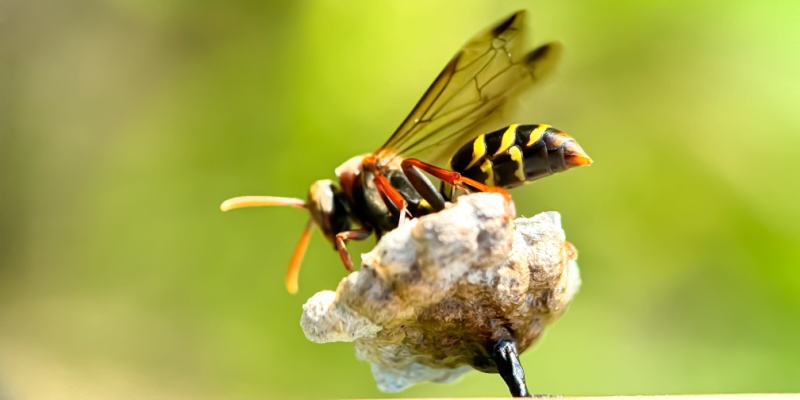
  • Paper Wasps: Recognizable by their long legs and open umbrella-like nests, they’re usually less aggressive unless provoked.
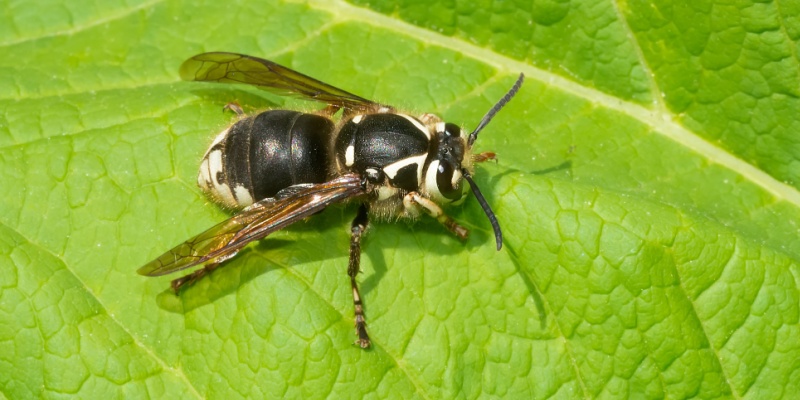
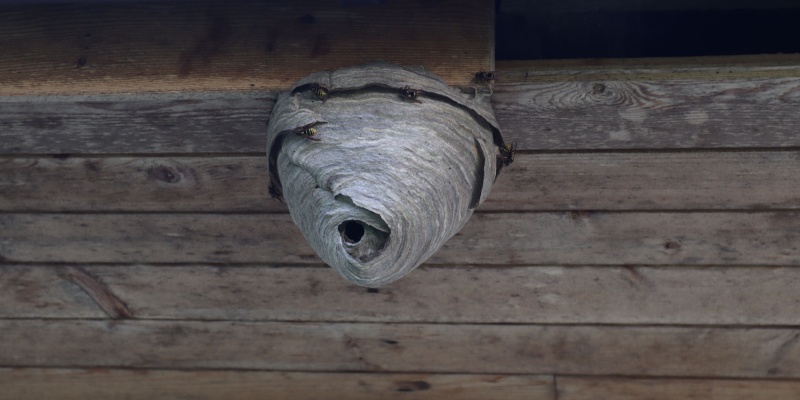
  • Bald-Faced Hornets: Actually a type of yellow jacket, they build large, enclosed nests in trees and are highly defensive.
  • Honeybees and Bumblebees: Important pollinators that usually sting only in self-defense.

How Indianapolis Residents Can Stay Safe

Now that you know why these pests are more active in late summer, here’s what you can do to avoid painful encounters and keep your home and yard safe.

1. Remove Food and Trash Promptly

Keep outdoor eating areas clean and avoid leaving sugary drinks, ripe fruit, or open food containers sitting outside. Always dispose of trash in sealed containers.

2. Inspect Your Property

Regularly check your yard, gutters, roof eaves, and outdoor furniture for nests. Early detection can prevent a minor issue from becoming a major problem. If you spot a nest, don’t try to remove it yourself. Contact a professional like Trio Pest Control for safe, effective removal.

3. Seal Entry Points

Stinging insects may try to build nests in attics, walls, or sheds. Seal up cracks and gaps around your home’s exterior, especially near vents, eaves, and windows.

4. Dress Appropriately

When outdoors, wear light-colored clothing (bright colors and floral prints attract stinging insects). Avoid using heavily scented perfumes or lotions.

5. Stay Calm

If a wasp or bee flies near you, don’t swat at it. Quick, panicked movements can provoke stings. Instead, remain still or gently walk away.

When to Call the Professionals

DIY methods may seem tempting, but they can be dangerous, especially if a nest is hidden or located in a hard-to-reach area. Some species, like yellow jackets, can sting multiple times and swarm when threatened.

The safest and most effective solution is to call the experts at Trio Pest Control. Their team has the training, experience, and equipment to handle stinging insects quickly and safely. They can identify the type of insect, locate nests, and implement a plan to eliminate the problem and prevent future infestations.

Enjoy the Rest of Summer—Without the Stings

Late summer should be a time to relax and soak in the last warm days of the season—not worry about getting stung while mowing the lawn or flipping burgers. By understanding the behaviors of stinging insects and taking a few proactive steps, you can protect your family and property from unwanted encounters.

And when prevention isn’t enough, remember that Trio Pest Control is here to help. Whether it’s identifying a hidden nest or safely removing an aggressive colony, you can count on their prompt, professional service to keep your home safe and sting-free.

Categories
Stinging Insects

Top 5 Signs of a Wasp or Hornet Nest Around Your Indianapolis Home

As the warm weather sets in across Indianapolis, outdoor activities become part of daily life—barbecues, gardening, and relaxing in the yard. But warmer months also signal the return of stinging insects like wasps and hornets. While these insects play roles in the ecosystem, their presence near your home can lead to painful stings and even serious allergic reactions.

Wasps and hornets are especially dangerous because they’re territorial and will aggressively defend their nests. Knowing the early signs of a nest can help you take proactive steps before these pests become a bigger problem. At Trio Pest Control, we’ve seen firsthand how quickly a minor issue can escalate into a serious infestation. Here are the top five signs that a wasp or hornet nest may be lurking around your Indianapolis home.

1. Increased Insect Activity Around Your Home

One of the most obvious indicators of a nearby nest is a noticeable increase in wasp or hornet activity. If you see these stinging insects flying around frequently—especially around windows, doors, eaves, or your deck—it could mean a nest is close by.

Unlike bees, wasps and hornets are more aggressive foragers. You’ll often spot them hovering around garbage cans, gardens, or any area with food and sugary drinks. If they seem to be flying in a specific pattern or returning to the same location repeatedly, follow their flight path from a safe distance. It may lead you to a hidden nest.

2. Buzzing Sounds from Walls, Eaves, or Trees

Wasps and hornets are not quiet neighbors. If you’re hearing a low buzzing or humming noise coming from your walls, attic, or outdoor structures like sheds or garages, it could indicate that a nest is nearby—or worse, inside your home’s walls.

These buzzing sounds often increase during the hottest parts of the day, when the colony is most active. Don’t attempt to investigate too closely. A disturbed nest can result in a swarm of angry insects. If you’re unsure, call Trio Pest Control for a safe inspection.

3. Visible Nest Structures

Sometimes, you may actually see the nest. Hornets typically build large, football-shaped paper nests in trees, under eaves, or on the side of buildings. Wasps (like paper wasps) create umbrella-shaped nests with open combs that hang from sheltered surfaces like porch ceilings, awnings, or attic rafters.

These nests start small but can grow rapidly throughout the summer, housing hundreds or even thousands of insects. If you spot a nest—regardless of its size—do not attempt to knock it down or spray it with over-the-counter pesticides. These methods can backfire, triggering an aggressive response.

4. Chewed Wood or Plant Material

Many species of wasps and hornets build their nests from a paper-like material made from chewed wood fibers. If you notice that wooden structures like fences, decks, or outdoor furniture have been gnawed on or appear weathered in patches, you may be seeing the aftermath of nest construction.

This sign often goes unnoticed, but it’s a clear indicator that stinging insects are active around your home. Check for small scratch marks or soft, weathered areas, particularly under railings and eaves where wasps prefer to nest.

5. Aggressive Insect Behavior

Wasps and hornets become more aggressive as their colonies grow. If you experience repeated attempts from these insects to chase you or buzz close to your face, this could be a sign you’re near a nest. Some species, like yellowjackets and bald-faced hornets, are notoriously territorial and will sting without much provocation.

If you notice that simply walking through your yard causes a swarm of activity, it’s time to take action. Avoid the area and consult a professional pest control service like Trio Pest Control immediately.

Why Professional Nest Removal Is Essential

Trying to remove a wasp or hornet nest on your own is risky business. These insects can sting multiple times, and their venom can cause severe allergic reactions. Additionally, store-bought sprays often only eliminate the outer layer of the colony, allowing the queen and workers to rebuild within days.

Professional pest control companies have the tools and training to remove nests safely and prevent reinfestation. At Trio Pest Control, we specialize in identifying the species, locating hidden nests, and applying targeted treatments that eliminate the colony without putting your family at risk.

Take Back Your Yard This Summer

Don’t let stinging insects ruin your summer fun. By keeping an eye out for these five signs, you can catch wasp and hornet problems early and avoid the stress and danger of a full-blown infestation.

If you suspect a nest near your Indianapolis home, trust the experts at Trio Pest Control. We offer safe, affordable, and effective solutions to keep your home and family protected all season long. Contact us today for a free inspection and take the first step toward a sting-free summer.

Categories
Stinging Insects

Stinging Insects in Indianapolis: How to Identify Wasps, Yellowjackets, and Hornets

When summer arrives in Indianapolis, it brings backyard barbecues, blooming gardens, and unfortunately, an uptick in stinging insects. These unwelcome guests can cause more than just a painful sting—they can also trigger serious allergic reactions and disrupt your outdoor activities. Understanding the differences between common stinging insects like wasps, yellowjackets, and hornets is essential to keep your family and property safe.

At Trio Pest Control, we specialize in helping Indianapolis homeowners identify and eliminate these pests quickly and safely. Here’s what you need to know to tell them apart and when it’s time to call in the professionals.

Wasps: The Slender Solitary Invaders

Wasps are perhaps the most common stinging insects encountered around homes and gardens. Typically slender with narrow waists and smooth bodies, wasps come in a variety of colors depending on the species, though many are black with yellow or orange markings.

Key Traits:

  • Body: Smooth and shiny, with a very narrow “waist” between thorax and abdomen
  • Behavior: Wasps can be solitary or social, and they’re known for building paper-like nests in sheltered areas like eaves, attics, and trees
  • Aggressiveness: Generally less aggressive than yellowjackets or hornets, but will sting when threatened

Paper wasps, one of the most common types in Indianapolis, are beneficial for gardens because they feed on caterpillars and other pests. However, their proximity to homes makes them a concern, especially when their nests are disturbed.

Yellowjackets: The Aggressive Foragers

Yellowjackets are often mistaken for bees because of their similar coloring, but make no mistake—these are among the most aggressive stinging insects in Indiana. They are stockier than wasps and have black and bright yellow stripes.

Key Traits:

  • Body: Shorter and thicker than wasps, with a bold yellow and black coloration
  • Behavior: Highly social; nests can house thousands and are typically underground or in wall cavities
  • Aggressiveness: Extremely territorial and quick to sting, especially when food or nests are threatened

Yellowjackets are drawn to sugary drinks, fruits, and meat, making them a common nuisance at picnics and cookouts. Their underground nests can also be difficult to detect until it’s too late. If you see multiple yellowjackets in the same area, there’s likely a nest nearby, and professional removal is recommended.

Hornets: The Intimidating Giants

Hornets are a type of wasp but deserve special attention due to their size and aggression. The most common in our region is the bald-faced hornet, which is actually more closely related to yellowjackets than to true hornets.

Key Traits:

  • Body: Larger than wasps and yellowjackets, usually with black and white markings
  • Behavior: Builds large, enclosed, football-shaped nests typically hanging from trees or buildings
  • Aggressiveness: Very protective of their nests and will sting repeatedly if disturbed

Bald-faced hornets are especially active in late summer and early fall. Their stings are more painful due to the amount of venom they inject, and they can sting multiple times without losing their stinger. Their large aerial nests are highly visible and should never be approached without proper equipment and training.

Why Proper Identification Matters

Understanding which type of stinging insect you’re dealing with is crucial for safe and effective removal. Misidentifying them can lead to inappropriate control methods and increase the risk of stings. Some homeowners try DIY solutions, but these often backfire, especially with aggressive species like yellowjackets and hornets.

That’s where Trio Pest Control comes in. Our experienced technicians are trained to correctly identify the species and locate nests, using targeted treatments that eliminate the colony without putting your family at risk.

Preventing Stinging Insect Infestations

Here are a few proactive steps to reduce your chances of encountering stinging insects:

  • Seal entry points: Repair holes or gaps in siding, roofing, and screens to prevent indoor nesting
  • Cover food and drinks: Always cover sugary beverages and dispose of food waste promptly
  • Remove standing water: Eliminate any water sources that may attract insects
  • Regular inspections: Schedule seasonal inspections with a pest control expert to detect early signs of nests

Trust Trio Pest Control to Keep Your Home Safe

Encountering wasps, yellowjackets, or hornets in your yard can be frightening, especially if you have young children or family members with allergies. Don’t take the risk of handling these pests on your own. At Trio Pest Control, we use safe, effective techniques to eliminate stinging insects and prevent future infestations.

If you spot a nest or notice increased insect activity around your home, contact us today for a free consultation. Let us help you reclaim your yard and enjoy a sting-free summer in Indianapolis!