
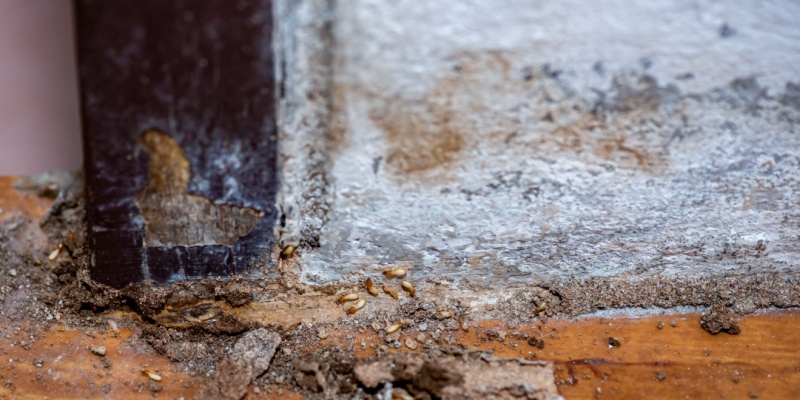
The challenge with termites in Fort Wayne isn’t just that they eat wood—it’s that they do it invisibly. They move through soil, crawl spaces, and walls, leaving subtle clues like bubbling paint or sagging floors that many mistake for routine wear and tear. Learning how to tell if you have termites in Fort Wayne means paying attention to these small changes and acting quickly before the colony causes lasting structural damage.
Mud Tubes Along Foundations
Mud tubes are one of the clearest indicators of subterranean termite activity. These pencil-thin tunnels, made of soil and saliva, allow termites to travel safely between their underground colony and the wood inside your home. You’ll often find them along basement walls, crawl spaces, or exterior foundations. Their presence means termites are actively feeding and expanding their reach.
What makes mud tubes especially concerning is their resilience. Even if you break them apart, termites will rebuild quickly. Homeowners sometimes dismiss them as dirt or debris, but they are essentially highways for termites. If you spot mud tubes, it’s not a minor issue—it's evidence of an established colony that requires expert intervention.
Hollow or Damaged Wood
Wood that sounds hollow when tapped or crumbles easily is a classic warning sign of termites. Because they eat from the inside out, the surface may look fine while the interior is completely compromised. Floors may feel soft, beams may lose strength, and furniture can weaken without obvious surface damage.
This hidden destruction is dangerous because it undermines the structural integrity of your home. By the time hollow wood is noticeable, termites have likely been feeding for months. Ignoring it can lead to costly repairs, especially if the damage spreads to load-bearing beams or flooring.
Discarded Wings Near Windows and Doors
After swarming, termites shed their wings, leaving behind small piles near windowsills, doors, or light fixtures. Unlike ant wings, termite wings are equal in size, making them easier to identify. Finding discarded wings indoors is particularly alarming, as it suggests termites are already inside your home.
Swarming is how termites reproduce and expand their colonies. If you see wings, it means a colony is mature enough to spread. This isn’t just a nuisance—it's a sign that termites are multiplying and your home is at risk of further infestation.
Bubbling Paint or Blistered Walls
Moisture created by termites inside walls often shows up as bubbling paint or blistered drywall. Many homeowners mistake this for water damage, but termites can create similar effects by tunneling beneath the surface. If plumbing issues aren’t to blame, termites may be the hidden cause.
This sign is especially deceptive because it looks like a minor cosmetic issue. In reality, bubbling paint can indicate termites are weakening the wall from within. Left untreated, this damage can spread quickly, compromising both aesthetics and structure.
Termite Droppings (Frass)
Drywood termites leave behind frass—small, pellet-like droppings that resemble sawdust or coffee grounds. These piles often collect near baseboards, windows, or infested wood. While frass may look insignificant, it’s a clear sign of active feeding.
Frass is more than just waste; it’s evidence that termites are tunneling and pushing debris out of their galleries. If you notice these piles, it means termites are not only present but actively damaging your home.
Sagging Floors and Sticking Doors
As termites weaken wooden supports, floors can begin to sag and doors or windows may no longer fit their frames properly. What feels like a minor alignment issue could actually be the result of structural damage.
This sign is particularly dangerous because it points to advanced infestation. When termites compromise the integrity of beams and supports, the safety of your home is at risk. Sagging floors and misaligned doors are not cosmetic problems — they’re warnings that termites have already done significant damage.
Swarming Termites in Spring
In Fort Wayne, termite swarms typically occur in spring or after heavy rainfall. Seeing winged termites indoors or around your property is one of the most obvious signs of an established colony.
Swarms are more than a seasonal annoyance. They indicate that termites are reproducing and spreading, which means your home is vulnerable to new colonies forming. If you see swarming termites, it’s a clear signal to schedule an expert inspection immediately.
Knowing When to Call a Termite Expert in Fort Wayne
Spotting the signs of termites is only the first step. The real challenge is knowing when those signs mean it’s time to bring in expert help. Termites don’t just damage wood on the surface—they build colonies that can number in the hundreds of thousands, hidden deep in soil or inside walls. Once established, they won’t go away on their own, and quick fixes rarely reach the source of the problem.
DIY sprays and store-bought treatments may seem like an easy solution, but they only target what you can see. Termites are experts at staying concealed, tunneling through beams, crawl spaces, and foundations where homeowners can’t reach. Without specialized tools and training, it’s nearly impossible to eliminate the colony. That’s why scheduling a professional termite inspection in Fort Wayne Indiana homes is the safest step once you notice mud tubes, hollow wood, or discarded wings.
Timing is critical. The longer termites remain undetected, the more damage they cause. What starts as a few subtle signs can quickly escalate into sagging floors, blistered walls, or weakened supports. Acting quickly not only prevents costly repairs but also ensures your home remains safe for your family. A licensed inspection provides clarity—confirming whether termites are present, how severe the activity is, and what treatment plan will stop them.
Termite experts also focus on prevention. In Fort Wayne, where subterranean termites thrive year-round, stopping one colony doesn’t guarantee another won’t move in. Experienced pest control technicians can identify entry points, recommend structural adjustments, and apply protective treatments that keep your home secure long after the initial problem is solved.
Fort Wayne’s Termite Line of Defense
By the time you spot the signs, termites have often been at work for weeks, quietly accelerating the damage to your home. That’s why homeowners across Indiana rely on Trio Pest Control. With more than 20 years of experience, we’ve built a reputation for protecting homes with inspections and treatments that go straight to the source of the problem.
Our licensed team knows how to spot the subtle warning signs that others miss. From mud tubes hidden along foundations to hollow beams inside walls, we track termite activity with precision and apply proven solutions that stop colonies in their tracks. Every service comes with our 90-day guarantee, giving Fort Wayne families confidence that their homes are secure.
If you’ve noticed suspicious changes or simply want peace of mind, now is the time to act. Call Trio Pest Control today and let our termite experts safeguard your home, ensuring it stays strong, safe, and pest-free for years to come.