Brown recluse spiders can occur in Indiana, but they become less common as you travel north, making them less typical in Fort Wayne than in the southern half of the state. Transported populations can persist inside climate-controlled buildings, so a confirmed specimen still deserves attention. Trio Pest Control offers spider control in Fort Wayne when a suspicious spider or repeated indoor activity needs professional identification.
Fort Wayne Sits Near the Northern Margin
Indiana State University’s Indiana and Ohio Brown Recluse Project describes the species as occurring in almost any county in southern Indiana and becoming less common farther north. Cold winter conditions limit its outdoor distribution. That geographic pattern makes routine assumptions unreliable in Fort Wayne: the species is possible, yet many sightings involve other brown spiders.
Recluse spiders can travel with furniture, boxes, stored goods, and other materials. A population introduced beyond the species’ strongest outdoor range may survive in a consistently heated building. This possibility explains why location alone cannot rule a specimen in or out.
The most accurate answer comes from identification and property evidence. One unconfirmed spider provides little information about abundance. Multiple verified specimens of different ages, repeated monitoring catches, shed skins, or egg sacs provide stronger evidence of an established indoor population.
Color and a “Violin” Do Not Confirm the Species
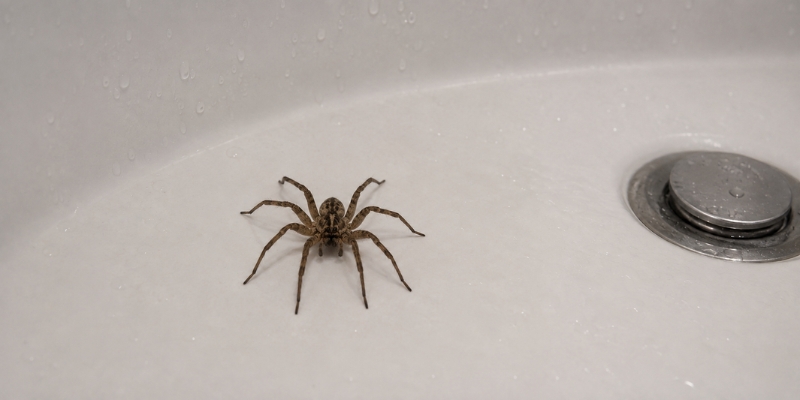
Fort Wayne homes contain many brown or tan spiders. Wolf spiders, funnel weavers, cellar spiders, sac spiders, parson spiders, and other hunting species are regularly mistaken for brown recluses. Shadows, damage, and natural markings can create a shape that resembles a violin.
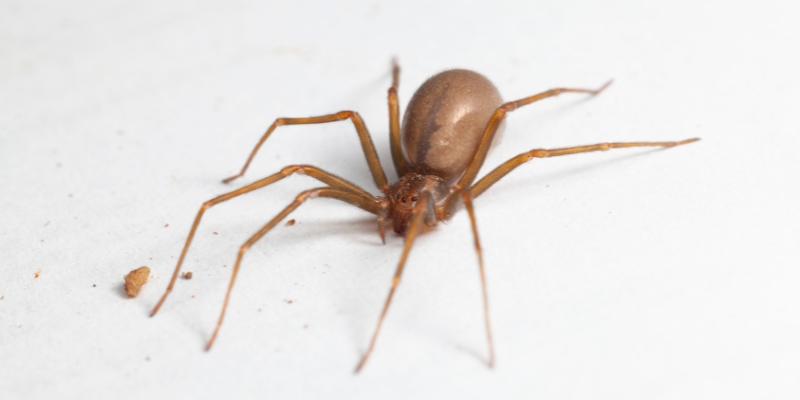
Brown recluses have six eyes arranged in three pairs, a plain-looking abdomen, and relatively uniform legs without obvious bands or heavy spines. Their body is smaller than many people expect. The violin mark can support identification, but it is one feature among several and may be difficult to see.
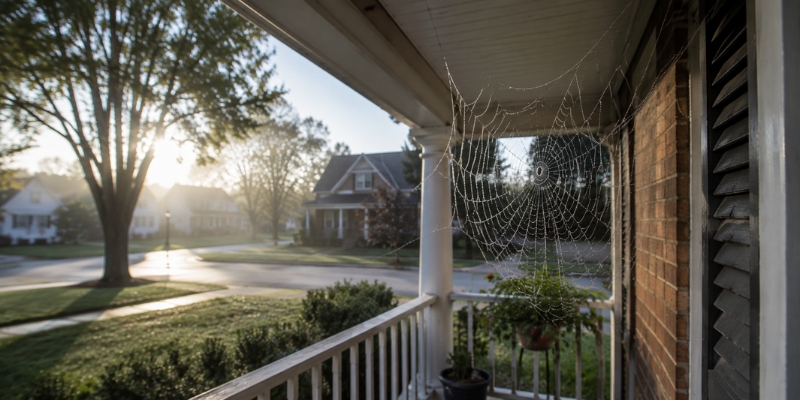
Behavior and web type add clues. Brown recluses make hidden silk retreats rather than large, symmetrical prey-catching webs. A big circular web across a porch points toward an orb weaver. A large, hairy, strongly patterned spider running across a garage floor is more consistent with a wolf spider than a recluse.
Avoid leaning close to a live spider to count eyes. Capture it without direct contact if that can be done safely, or save a clear photograph. A professional can evaluate the complete set of features.
Where a Brown Recluse Could Persist Indoors
The name reflects its preference for quiet, protected areas. Garages, attics, storage rooms, closets, wall voids, and spaces around long-undisturbed belongings can provide suitable retreats. Cardboard folds, clothing piles, furniture undersides, and gaps behind shelving create narrow contact surfaces.
Recluse spiders hunt at night and may roam away from their retreats. A wandering male can appear in a hallway, sink, bathtub, or on a monitoring trap. During the day, the population may remain concealed. An absence of obvious webs in open corners does not settle the identification question.
Reduce accidental contact while the concern is being evaluated. Wear gloves when moving stored materials, shake out shoes and clothing left undisturbed, and keep garments and linens off the floor. Move beds slightly away from walls and avoid storing items beneath them. Use secure plastic containers for long-term storage where practical.
What One Suspected Spider Means
A single specimen may have entered with an object or wandered from a concealed indoor area. It justifies documentation and inspection, especially in bedrooms or storage areas, but it cannot reveal how many spiders are present.
Monitoring helps develop a picture over time. Place glue boards along wall edges, behind furniture, and near storage where children and pets cannot reach them. Date and number the traps. Record where each suspected spider was found. Concentrated catches can guide inspection toward a wall void, closet, garage connection, or stored material.
Professional identification should come before extensive treatment. If the specimen is a harmless look-alike, the response may focus on exclusion and occasional invaders. Confirmed recluse activity calls for a more deliberate inspection of harborages, belongings, connected voids, and population evidence.
Keep Bite Concerns in Perspective
Brown recluse spiders are medically significant, but bites are uncommon and generally occur when a spider is pressed against the skin in clothing, bedding, or stored items. Many skin conditions are incorrectly blamed on spider bites when no spider was seen or identified.
If you believe you were bitten, contact a healthcare professional for medical guidance. Pest-control identification can support the property investigation but does not replace diagnosis or treatment. If a specimen is available, keep it secured for identification without handling it directly.
A Fort Wayne Answer Should Be Evidence-Based
The useful conclusion is nuanced: brown recluses are possible in Fort Wayne, particularly in introduced indoor populations, but they are less common this far north and frequently confused with other spiders. Inspection, intact specimens, and monitoring provide better answers than photographs circulating online or a single dark marking.
If you have found a suspicious spider or repeated catches inside your home, contact Trio Pest Control to arrange identification and a control plan grounded in the evidence on your property.