
Proudly Serving Indianapolis, Fort Wayne
and Surrounding Areas
Emergency service appointments available
For Indianapolis Call: (317) 922-1271
For Fort Wayne Call: 260-999-4114
Categories
Cockroaches

The Most Common Places Cockroaches Hide Inside Fort Wayne Homes

Cockroaches tend to stay out of sight, which is part of why an infestation can grow before a homeowner notices it. These insects prefer dark, warm, and tight spaces close to food and water, and a typical Fort Wayne home offers many such hiding spots. Knowing where roaches tend to gather makes it easier to catch an early problem and explain what you are seeing to a professional. Our cockroach control in Fort Wayne starts with a close look at the areas described below.

Kitchens

The kitchen offers food, water, and warmth in one place, which makes it a primary target. Cockroaches hide behind and beneath the refrigerator, stove, and dishwasher, where motors provide steady heat. They also gather inside cabinet corners, behind the toaster and microwave, and in the gaps around the sink. Appliances that are rarely moved, such as a refrigerator or a stove, can conceal a nest behind them for a long time.

Bathrooms

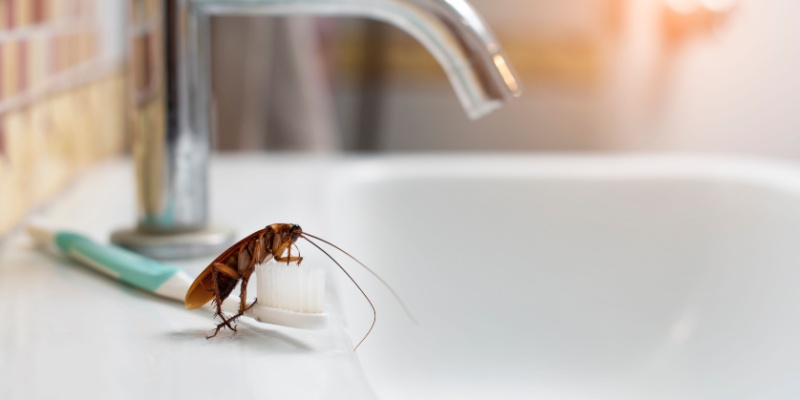
Bathrooms supply the moisture cockroaches depend on. Common hiding spots include under the sink, behind the toilet, inside the vanity, and around exposed plumbing. Small gaps where pipes enter the wall give roaches both shelter and a path between rooms.

Around Plumbing and Drains

Cockroaches follow water lines and drains throughout a home. They shelter in the space under sinks, behind washing machines, and near water heaters. Floor drains and sink drains can serve as both a hiding place and an entry point from outside. Keeping drains in regular use and sealing gaps around pipes makes these areas less welcoming.

Basements and Crawl Spaces

Cool, damp, and quiet, basements and crawl spaces suit species such as the American and oriental cockroaches. These insects gather around floor drains, sump pumps, stored boxes, and the base of utility lines. From there, they can move upstairs through wall voids and plumbing runs.

Inside Walls and Behind Baseboards

Cracks and gaps lead roaches into wall voids, where they stay hidden during the day. Openings behind baseboards, around outlets, and where trim meets the wall give them protected routes through the home. Activity here is often noticed only when roaches come out at night.

Clutter, Cardboard, and Electronics

Cardboard boxes, stacked paper, and cluttered storage give cockroaches dark, tight shelter, and they will even feed on the cardboard and glue. Warm electronics, including cable boxes and similar devices, can also shelter German cockroaches, which prefer warmth. Reducing stored cardboard and clutter removes many of the hiding spots roaches rely on.

Why Professional Treatment Reaches Further

Many of these spaces are difficult to access, and surface sprays rarely reach the cracks, voids, and warm cavities where roaches actually live. Our technicians inspect these areas, treat the shelter sites directly, and target the egg cases that allow an infestation to continue. Each service is supported by our 90-day guarantee, part of the range of services available since Trio Pest Control began serving Fort Wayne.

If cockroaches have found these hiding spots in your home, we can locate and treat them. Request a free quote and let our Fort Wayne team clear them out.

Categories
Cockroaches

Why Are Cockroaches Showing Up in My Fort Wayne Home If It’s Clean?

A clean home is no guarantee against cockroaches. Many Fort Wayne homeowners are surprised to find roaches in a kitchen or bathroom they keep spotless, and they often assume an infestation points to a hygiene problem. Cockroaches enter homes for reasons that frequently have little to do with cleaning. Our cockroach control in Fort Wayne deals with this situation often, and understanding why roaches appear can help you respond before the problem spreads.

Roaches Come in From Outside

American and other cockroaches often enter from outside or from connected spaces. They move in through gaps around doors, windows, pipes, vents, and foundation cracks, and they travel up through drains and sewer lines. In multi-unit buildings, they pass between units through shared walls and plumbing. A spotless home with a small gap around a pipe can still let roaches in.

They Arrive in Bags, Boxes, and Used Items

German cockroaches, the most common indoor species, are usually carried into a home rather than wandering in. They hide in grocery bags, cardboard boxes, deliveries, secondhand appliances, and used furniture. A single female and her egg case can start an infestation, so a home can go from no roaches to a growing population without any change in cleanliness.

Moisture Attracts Cockroaches

Cockroaches need water more than they need a messy kitchen. A dripping faucet, a leak under the sink, condensation around pipes, or a damp basement gives them the moisture they depend on. Fort Wayne’s humid summers add to indoor moisture, and roaches are drawn to the most humid parts of a home, such as bathrooms, kitchens, and basements.

Cockroaches Need Very Little Food

Cockroaches survive on small amounts of food. Crumbs in a toaster, grease behind a stove, pet food left out overnight, and residue in a drain are enough to sustain them. They will also feed on cardboard, paper, and glue. Because their needs are so modest, even a carefully cleaned home can provide enough for a colony.

Why the Problem Grows Quickly

Cockroaches reproduce rapidly, and German cockroaches in particular can build a large population in a short time. By the time roaches are seen during the day, the hidden population is usually much larger, since these insects prefer to stay out of sight. This is one reason a roach problem rarely resolves on its own. We brought professional roach service to the area when Trio Pest Control expanded to Fort Wayne.

How We Help

Store-bought sprays may kill the roaches that are visible, but they rarely reach the hidden population or the egg cases that keep an infestation going. Our technicians find where roaches are living and breeding, treat those areas with professional products, and provide guidance to keep them from returning. Every service is backed by our 90-day guarantee.

A clean home and a cockroach problem can exist at the same time, and professional treatment is the reliable way to end it. Contact our Fort Wayne team to schedule cockroach service for your home.

Categories
Stinging Insects

What Are the Most Common Stinging Insects in Fort Wayne, IN?

Several kinds of stinging insects are active around Fort Wayne homes each summer, and telling them apart is the first step toward handling them safely. Each type nests differently, behaves differently, and calls for a different response. At Trio Pest Control, our stinging insect control in Fort Wayne addresses all of the common species described below.

Paper Wasps

Paper wasps are slender, with long legs and bodies that are usually brown with yellow or reddish markings. They build open, umbrella-shaped nests that hang from a single stalk, most often under eaves, deck railings, and porch ceilings. Paper wasps are not highly aggressive, but they will sting to defend a nest that is disturbed.

Yellowjackets

Yellowjackets are stockier than paper wasps and have bright yellow and black bands. They are among the most aggressive stinging insects in the area and can sting repeatedly. Most yellowjackets nest underground or inside wall voids, and a single colony can grow to thousands of members by late summer. They are strongly drawn to sugary drinks and food, which is why they become a nuisance at outdoor meals. Their underground nests are easy to disturb without warning, which makes them a frequent cause of stings in yards and gardens.

Bald-Faced Hornets

Despite the name, the bald-faced hornet is closely related to yellowjackets rather than to true hornets. It is black and white and builds a large, enclosed, football-shaped paper nest, usually in a tree, a shrub, or against the side of a structure. These wasps defend their nests aggressively and can be dangerous to approach.

Honeybees and Bumblebees

Bees are also common in the area. Honeybees are valuable pollinators and are generally not aggressive. Bumblebees are larger and fuzzy and are not usually aggressive either. Because honeybees are beneficial, removal calls for a different approach than the methods used for wasps. Correct identification is important before any treatment begins.

Why Identification Matters

The right response depends on the species. A paper wasp nest under an eave is treated differently than an underground yellowjacket colony or a hornet nest high in a tree. Treating the wrong way, or disturbing a nest without the proper equipment, often leads to stings and can leave part of the colony behind. For anyone with a sting allergy, an accurate identification and a safe removal are especially important.

How We Help Fort Wayne Homeowners

We are a family-owned company serving the Fort Wayne area, and our technicians are trained to identify each species, locate the nest, and treat it safely at the source. We provide eco-friendly product options for households that want them, and we offer same-day and emergency appointments when a problem cannot wait. We stand behind our work with a 90-day guarantee.

If stinging insects have become a problem at your home, we can identify the species and remove the nest safely. Request a free quote and let our Fort Wayne team take care of it.

Categories
Stinging Insects

The Most Common Places We Find Wasp Nests During Fort Wayne Home Inspections

When we inspect a Fort Wayne home for stinging insects, certain spots turn up again and again. Wasps and their relatives choose nest sites that are sheltered, protected from weather, and close to a food supply, and the typical home offers many such places. Knowing where these nests tend to appear helps homeowners catch a problem before a colony grows large. Our stinging insect control in Fort Wayne starts with a careful look at the areas described below.

Eaves, Soffits, and Roof Overhangs

The protected space beneath a roofline is one of the most common places we find paper wasp nests. These areas stay dry, hold warmth, and sit out of the way of foot traffic, which makes them ideal. Soffit gaps can also lead wasps into attic spaces, where a nest may go unnoticed for weeks. A paper wasp nest in this location can expand quickly once the weather warms.

Decks, Porches, and Railings

The underside of a deck and the inner edges of porch railings give wasps overhead cover and a stable surface to attach a nest. Because people use these spaces often, a nest here raises the chance of a sting.

Wall Voids and Siding Gaps

Yellowjackets and some wasps enter through small gaps in siding, around utility lines, or behind trim, then build inside the wall. These hidden nests are among the hardest to address, since the visible activity is only an entry point and the colony sits out of sight. Activity at a single small opening in the siding can signal a much larger nest within the wall.

Sheds, Garages, and Outbuildings

Detached structures are often quieter and less disturbed than the main home, which makes them attractive. We regularly find nests in the corners of sheds, inside garage door tracks, and among stored items that have not been moved in a while.

Trees, Shrubs, and Ground Burrows

Bald-faced hornets build large, enclosed paper nests in trees and tall shrubs, while many yellowjackets nest underground in old burrows or loose soil. Both can be easy to miss until activity increases in late summer. A ground nest is especially easy to step on while mowing or gardening, which is a common way homeowners are stung.

Utility Boxes and Outdoor Fixtures

Electrical boxes, meter housings, mailboxes, and outdoor light fixtures provide small, sheltered cavities that wasps readily use. These spots are easy to overlook during a casual walk around the property.

Why a Professional Inspection Helps

Many of these nests sit in places that are difficult to see or reach, and disturbing one without the right approach can lead to stings. Our technicians know where to look, identify the species present, and treat each nest safely at its source. Catching a nest early, while the colony is still small, makes treatment safer and more straightforward. And we back every service with our 90-day guarantee.

If you suspect a nest on your property, do not wait for it to grow. Contact our Fort Wayne team to schedule a thorough stinging insect inspection.

Categories
Stinging Insects

Can Landscaping Choices Affect Stinging Insect Activity Around Your Fort Wayne Home?

The way a yard is planted and maintained has a real effect on how many wasps, yellowjackets, and hornets gather near a home. Certain plants, water features, and maintenance habits draw stinging insects in, while others give them less reason to stay. For Fort Wayne homeowners who want to spend time outdoors during the summer, a few landscaping decisions can make a noticeable difference. Our stinging insect control in Fort Wayne is most effective when paired with a yard that does not invite these pests in the first place.

Flowering Plants and Sweet Scents

Wasps and yellowjackets are drawn to nectar and sweet smells. Large beds of flowering plants near patios, doors, and seating areas place a food source right where people gather. This does not mean a yard should have no flowers, but placement matters. Moving heavy bloomers away from the most-used spaces can reduce close encounters. Plants that bloom heavily through late summer, when wasp colonies are at their largest, tend to draw the most activity.

Ripe and Fallen Fruit

Fruit trees and berry bushes are a strong attractant, especially in late summer when fallen fruit begins to ferment. Yellowjackets in particular feed on the sugars in rotting fruit. Picking up fallen fruit promptly and keeping fruiting plants away from gathering areas lowers the appeal of a yard.

Standing Water and Moisture

Like most insects, stinging insects need water. Birdbaths, clogged gutters, low spots that hold rain, and dripping outdoor faucets all provide it. Even shallow water that collects in plant saucers or on tarps can serve as a drinking source during dry stretches. Reducing standing water makes a property less inviting and has the added benefit of cutting down on mosquitoes.

Mulch, Wood, and Ground Cover

Some yellowjackets nest in the ground, often using abandoned rodent burrows or loose soil under heavy ground cover. Thick layers of mulch, wood piles, and dense low plantings give them sheltered places to build. Keeping wood stacked away from the home and watching ground cover for nest activity helps reduce the risk.

Overgrown and Undisturbed Areas

Quiet, undisturbed corners of a property are appealing nest sites. Tall grass, neglected shrubs, and cluttered sheds offer the protection wasps look for. Sheds and detached garages that are rarely opened are common spots for a nest to develop unnoticed. Regular trimming and keeping storage areas organized removes many of these options.

Where Professional Service Fits In

Smart landscaping reduces the conditions that attract stinging insects, but it does not remove an established colony or stop wasps from building in eaves and wall voids. When a nest is present, our technicians locate it, identify the species, and treat it safely, then advise on changes that make the property less attractive going forward. The goal is to make the yard a less convenient place for wasps to feed, drink, and nest, which lowers the chance of a colony settling close to the home. Every visit is supported by our 90-day guarantee.

A few adjustments to your yard, combined with professional service, can keep stinging insects at a distance. Request a free quote and let our Fort Wayne team help you enjoy your outdoor space.