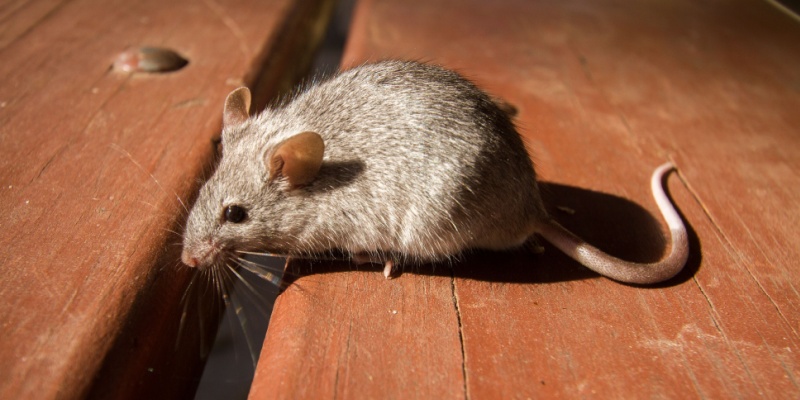

It doesn’t take a broken window or wide-open door for rodents to move in. Sometimes, all they need is a forgotten vent, a hairline crack in the foundation, or a gap beneath the garage door—just enough space to slip through unnoticed. In Indianapolis, where seasonal shifts send mice and rats scrambling for warmth, homes become battlegrounds of quiet infiltration. You won’t see them coming, but the signs—gnawed wires, droppings in the pantry, scratching in the walls—are hard to ignore.
Effective rodent-proofing in Indianapolis homes starts with knowing exactly where pests are getting in. Below are the most common entry points—and how to seal each one properly.
1. Foundation Cracks
Rodents are ground-level opportunists. Cracks in your foundation—especially near utility penetrations, basement windows, or aging concrete—can become their main entry route. These gaps often widen over time due to soil movement, freeze-thaw cycles, or water damage, making them harder to spot until it’s too late.
How to seal: Begin by cleaning out the crack and removing any debris. For hairline fractures, apply a silicone-based sealant or hydraulic cement. Larger gaps may require concrete patching followed by galvanized mesh barriers to prevent chewing. Don’t forget to inspect the inside perimeter of your basement or crawl space for signs of gnawing or droppings.
2. Attic Vents
Rats and mice are surprisingly agile climbers. They’ll scale siding, gutters, or even tree limbs to reach your roofline. Once there, attic vents—especially those without screens or with damaged louvers—become easy access points. These elevated entries are often overlooked during routine inspections, giving rodents a quiet path into insulation and wall cavities.
How to seal: Install galvanized hardware cloth over all attic vents, securing it with screws and washers to prevent tampering. Inspect soffits, fascia boards, and roof flashing for gaps or rot. If you have gable vents, make sure they’re screened and intact. Trimming back tree branches that touch or hang near the roof is also essential—rodents use them like bridges.
3. Crawl Spaces and Sill Plates
Crawl spaces are dark, damp, and rarely visited—perfect conditions for rodents to nest undisturbed. Sill plates, where the foundation meets the framing, often have unsealed seams or gaps that go unnoticed. These areas are especially vulnerable in older homes or during renovations when insulation is disturbed.
How to seal: Apply rigid foam insulation between framing and foundation, then seal with expanding foam or caulk. For crawl spaces, install vapor barriers and perimeter mesh to block entry. If your crawl space has vents, screen them with rodent-proof mesh and check for signs of tunneling or burrowing near the exterior walls.
4. Garage Doors
Garages are transitional spaces—often left open, poorly sealed, or cluttered. Rodents can easily squeeze under doors with worn weather stripping or gaps at the corners. Once inside, they’ll find access to the rest of the home through laundry rooms, utility closets, or attic hatches.
How to seal: Replace damaged weather stripping and install heavy-duty door sweeps rated for rodent exclusion. Inspect side seals and bottom thresholds for wear. If your garage has side access doors, make sure they close tightly and have no daylight showing around the frame. Keep stored items off the floor and away from walls to reduce hiding spots.
5. Utility Line Openings
Rodents are drawn to warmth and airflow—two things often found around utility lines. Gaps around plumbing, electrical conduits, HVAC lines, and dryer vents are common entry points. These penetrations are often hidden behind appliances or in crawl spaces, making them easy to miss during DIY inspections.
How to seal: Fill small gaps with steel wool, then cover with expanding foam to hold it in place. For larger openings, use metal flashing or rodent-proof gaskets. Check both interior and exterior sides of the wall where utilities enter. Dryer vents should have flaps that close securely and screens to prevent entry.
6. Exterior Clutter and Landscaping
Rodents rarely rush straight into your home—they stage their entry from nearby cover. Overgrown shrubs, stacked firewood, compost bins, and unsecured trash cans all create ideal hiding spots. These exterior conditions increase the likelihood of rodents exploring your foundation and testing for weak points.
How to seal off risk: Keep vegetation trimmed at least 12 inches away from the home. Store firewood 20 feet from the foundation and elevate it off the ground. Use sealed bins for trash and pet food, and avoid leaving birdseed or compost exposed. Regularly inspect mulch beds and garden borders for signs of burrowing or gnawing.
7. Window Wells and Basement Egress Areas
Window wells and basement egress zones are often overlooked during rodent inspections. These recessed areas can collect leaves, moisture, and debris—creating a sheltered environment that rodents love. If the window well cover is missing or damaged, it becomes a direct path into your basement.
How to seal: Install secure, rodent-proof window well covers made of polycarbonate or metal mesh. Clear out debris regularly and inspect the window seals for cracks or gaps. If your basement windows are old or loose-fitting, consider upgrading to tighter, insulated frames.
8. Porch and Deck Gaps
The space beneath porches and decks is a favorite nesting spot for rodents. These areas offer shade, protection from predators, and easy access to the home’s foundation. Gaps between deck boards or open latticework can also serve as entry points.
How to seal: Use hardware cloth or lattice backed with mesh to enclose the underside of porches and decks. Seal any gaps between boards and check for signs of tunneling near support posts. If the area is prone to moisture, consider adding drainage to prevent rot and structural damage that rodents can exploit.
Why Sealing Isn’t Enough
Rodent exclusion is essential, but it’s only part of the solution. Without ongoing inspections and sanitation, even the best-sealed home can become vulnerable again. When rodents find a way past your defenses, it’s time to bring in professionals who know how to track, eliminate, and prevent future infestations.
Trio Pest Control brings decades of expertise to Indianapolis rodent exclusion strategies that go beyond surface-level fixes. Our technicians are trained to spot subtle entry points and implement proven rodent control home barriers that keep pests out—permanently.
Need help sealing mice entry points or preventing rats from entering your house in Indianapolis? Reach out to our team for a personalized home rodent prevention tip that fits your property’s unique layout.