
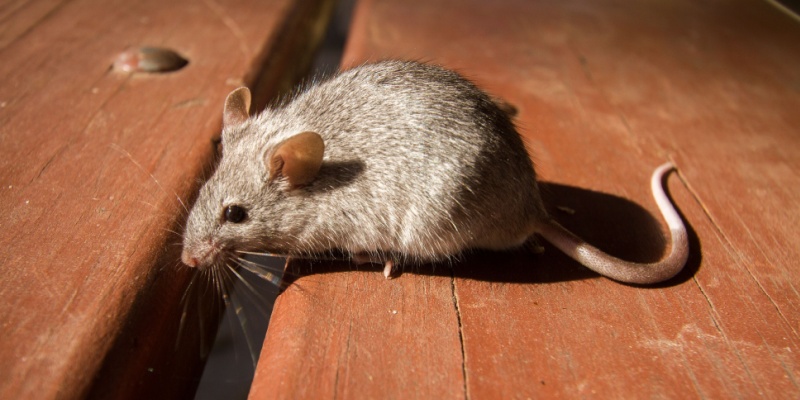
As temperatures drop and daylight shortens, the chances of spotting a scurrying shadow in your kitchen or attic rise dramatically. It’s no coincidence — rodent control in Indianapolis becomes a top concern for homeowners each fall and winter as mice and rats seek warmth, food, and shelter indoors.
This seasonal surge isn’t just about the cold. It’s a perfect storm of environmental triggers, aging housing stock, and behavioral patterns that make Indianapolis homes especially vulnerable to winter rodent infestations.
Let’s unpack the local factors behind this uptick — and what you can do to stay ahead of it.
Why Rodents Target Homes in Cold Weather
Rodents are opportunistic survivors, and when the Midwest’s crisp autumn air gives way to freezing winter nights, they instinctively seek warmth and shelter. As outdoor temperatures drop below 50°F, mice and rats begin searching for insulated spaces to nest, making crawl spaces, basements, and wall voids especially attractive. At the same time, natural food sources like seeds, insects, and vegetation become scarce, pushing rodents indoors where pantries, pet food containers, and garbage bins offer easy access to nourishment.
Their breeding cycles also play a role. Mice can reproduce year-round once inside a heated home, and a single pair can produce dozens of offspring in just a few months — turning a minor intrusion into a full-blown infestation. Structural vulnerabilities in homes, such as gaps in siding, foundation cracks, and poorly sealed utility lines, act as highways for entry. Many Indianapolis homes, particularly older ones, have these weaknesses, which often go unnoticed until rodents have already settled in.
What Makes Indianapolis Especially Susceptible
While rodents are a nationwide issue, several local factors amplify the problem in Central Indiana:
- Aging Housing Stock: Many homes in Marion, Johnson, and Hendricks counties were built decades ago. Time and weathering create ideal entry points for pests.
- Urban/Suburban Mix: The blend of dense neighborhoods, wooded areas, and nearby farmland creates a perfect habitat for rodents to thrive and migrate.
- Seasonal Leaf Litter and Debris: Fall cleanup delays can lead to piles of leaves and clutter near foundations — prime hiding spots that lead rodents straight to your door.
- Unsealed Garages and Sheds: Detached structures and garages often lack proper insulation or sealing, making them easy targets for nesting.
- Basement Moisture and Clutter: Many Indianapolis homes have basements that retain moisture and accumulate storage over time. These conditions create quiet, undisturbed environments that rodents love to exploit.
- Proximity to Greenbelts and Drainage Systems: Homes near wooded trails, creeks, or storm drains often experience higher rodent traffic due to the natural cover and access these areas provide.
Together, these factors create a landscape where rodents can easily transition from outdoor nesting zones to indoor shelter. Understanding these local vulnerabilities is key to anticipating seasonal rodent problems in Indiana — and taking action before they escalate.
Signs You Might Have a Rodent Problem
Rodents are stealthy, but they leave behind clues. If you notice any of the following, it’s time to act fast:
- Droppings in cabinets, drawers, or along baseboards
- Scratching or scurrying sounds in walls or ceilings
- Chewed food packaging or gnawed wires
- Greasy rub marks along walls or entry points
- A musty, ammonia-like odor in enclosed spaces
These are all red flags that could indicate mice in house Indianapolis residents often report during colder months.
The Hidden Risks of Delayed Rodent Response
One of the most overlooked aspects of seasonal rodent problems in Indiana is the long-term damage that can occur when infestations go unchecked. Rodents don’t just nibble on crumbs — they chew through electrical wiring, insulation, and even structural wood. This can lead to costly repairs, fire hazards, and compromised home safety.
What’s more, their droppings and urine can contaminate surfaces and trigger allergies or respiratory issues, especially in children and pets. The longer rodents remain undetected, the more entrenched their nesting becomes, making removal more complex and expensive. That’s why cold weather pest control isn’t just a seasonal chore — it’s a proactive investment in your home’s health and safety.
How to Prevent Rodents from Entering Your Home
Prevention is your best defense. Here are some practical rodent prevention tips to help you stay ahead of the season:
- Seal cracks and holes around the foundation, windows, and doors
- Install door sweeps and weather stripping
- Store food in airtight containers
- Keep firewood and debris at least 20 feet from your home
- Trim tree branches and shrubs away from the roofline
- Clean up fallen leaves and yard waste promptly
- Schedule a fall pest control Indianapolis inspection before winter hits
Taking these steps before temperatures drop can dramatically reduce your risk of infestation. Rodents are persistent, but a well-maintained home with limited access points and no easy food sources sends a clear message: not welcome here. Early action is key to avoiding costly damage and health risks later in the season.
When DIY Isn’t Enough
Even with the best prevention efforts, rodents can still find their way in. That’s when it’s time to call in a local exterminator Indianapolis homeowners trust. Professional pest control teams can identify hidden entry points, deploy targeted treatments, and offer long-term solutions that go beyond traps and bait.
At Trio Pest Control, we understand the unique seasonal rodent problems in Indiana. Our licensed technicians are trained to spot the subtle signs of infestation and implement cold weather pest control strategies that work — fast. Whether you’re dealing with a full-blown invasion or just want peace of mind before winter sets in, we’re here to help.
If you’re searching for pest control near me Indianapolis and want a team that backs its work with a 90-day guarantee, reach out to us today. Let’s make sure your home stays warm — and rodent-free — all season long.