
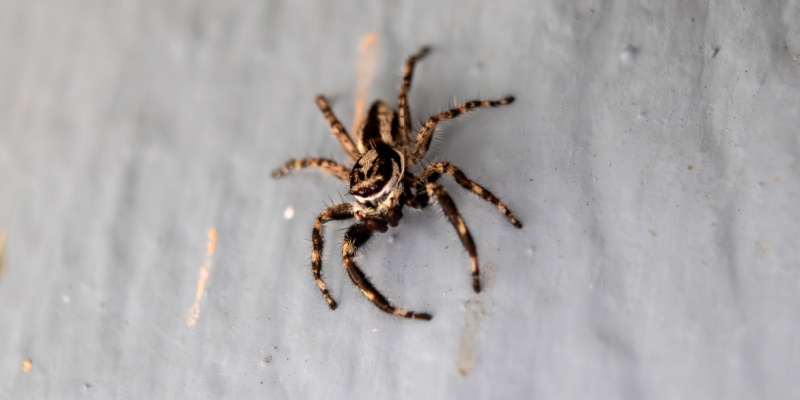
As the crisp air settles over Indianapolis and leaves begin to blanket the ground, something else quietly creeps into homes—spiders. While they’re often misunderstood, their seasonal migration indoors is no coincidence. It’s part of a predictable pattern tied to temperature shifts, mating cycles, and survival instincts. If you’ve noticed an uptick in eight-legged visitors lately, it’s not just your imagination—seasonal spider activity in Indianapolis is very real.
One of the most common signs of fall pests in Indianapolis homes is the increase in webbing around windows, basements, and attic corners.
Why Spiders Move Indoors in Fall
Spiders aren’t invading your space out of malice—they’re simply following nature’s cues. As temperatures drop, their outdoor habitats become less viable, and their prey (like flies and mosquitoes) starts to disappear. Your home offers warmth, shelter, and a buffet of insects to feed on. That’s why spiders in Indianapolis homes in fall are more than just a seasonal nuisance—they’re a survival strategy.
There’s also a biological urgency at play. Autumn marks mating season for many spider species, prompting males to roam in search of females. This increased movement often leads them indoors, where they’re more visible and active.
Is Your Home Hosting Spiders This Fall? Here’s What to Look For
If you’re wondering whether your home is part of this seasonal shift, here are some indicators to watch for:
- Webs forming in window frames, ceiling corners, and garages
- Spiders appearing in bathrooms, especially near drains
- Egg sacs tucked into quiet, undisturbed areas
- Increased insect activity indoors (which draws spiders in)
- Spiders crawling across floors or walls, especially at night
- Webbing near outdoor lighting fixtures
- Sightings in storage areas, attics, or crawl spaces
Spider-Proofing Your Indiana Home for Fall
To keep spiders out during autumn, prevention starts with making your home less inviting to them. Here are practical steps you can take:
- Seal entry points: Use caulk to close gaps around windows, doors, and foundation cracks. Install door sweeps and repair torn screens.
- Declutter storage areas: Spiders love quiet, undisturbed places. Keep basements, attics, and garages tidy and organized.
- Vacuum regularly: Focus on corners, under furniture, and behind appliances to remove webs, egg sacs, and insects.
- Eliminate other pests: Spiders follow their food. Reducing indoor insect populations helps cut off their food supply.
- Switch outdoor lighting: Bright white lights attract bugs, which in turn attract spiders. Use yellow-toned bulbs to reduce insect activity.
- Trim vegetation near your home: Overgrown shrubs and tree branches can act as bridges for spiders to enter your home.
- Store firewood away from the house: Woodpiles are prime spider habitats. Keep them at least 20 feet from your foundation.
What DIY Spider Treatments Miss
While many homeowners attempt to tackle spider problems with store-bought sprays or homemade remedies, these solutions often provide only temporary relief. Spiders are skilled at hiding in hard-to-reach places like wall voids, crawl spaces, and attic corners—areas that typical treatments rarely reach.
Additionally, most DIY methods don’t address the root cause: the presence of other insects that spiders feed on. Without eliminating their food source, spiders will continue to return, no matter how many webs you remove or how often you spray.
Professional pest control services use targeted strategies that not only remove existing spiders but also prevent future infestations. By treating entry points and reducing indoor insect populations, experts provide long-term peace of mind that DIY methods simply can’t match.
How Weather Patterns Influence Spider Activity
Seasonal shifts in temperature and humidity play a major role in spider behavior. A sudden drop in temperature or an early frost can trigger a migration indoors as spiders seek warmth and stable conditions.
Rainy periods also drive insects into homes, which in turn attracts spiders looking for food. In Indiana, the transition from humid summer to cool fall creates ideal conditions for this movement, making homes more vulnerable to infestations.
Homeowners who monitor weather patterns and prepare their homes accordingly—by sealing cracks and reducing clutter—can stay one step ahead of the seasonal surge. Understanding the link between climate and pest activity is key to proactive spider control.
When to Call a Professional Spider Exterminator in Indianapolis
Persistent spider issues during fall are best resolved through spider control in the Indianapolis fall season, delivered by professionals who understand the patterns behind seasonal infestations.
Seeing one or two spiders might not be cause for alarm, but if you’re noticing them daily or finding webs in multiple rooms, it’s time to act. A professional spider exterminator in Indianapolis can assess the situation, identify the species, and apply targeted treatments that are safe and effective.
Seasonal pest management is what Trio Pest Control does best. With deep experience handling fall invaders across Indiana homes, our technicians use proven, targeted strategies to eliminate spiders and prevent them from coming back. Let this season be about cozy nights—not creepy crawlers. Contact Trio Pest Control and enjoy the comfort of a spider-free home.