
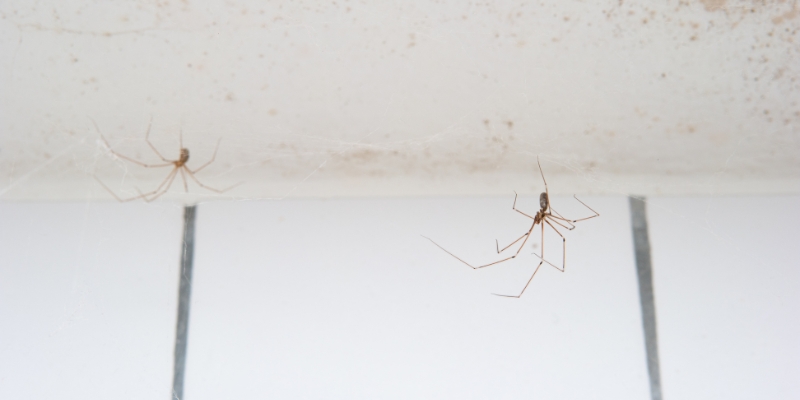
Spider sightings can rise when Indiana temperatures drop because some outdoor spiders seek sheltered cracks, mature males continue roaming, and spiders already inside become easier to notice as insect activity shifts. The first cold nights can concentrate movement around doors, foundations, garages, basements, and wall voids. Trio Pest Control’s Fort Wayne spider-control service can determine whether you are seeing temporary fall invaders or an indoor population.
Cooling Weather Changes Movement
Spiders regulate their body temperature through their surroundings. As nights cool, outdoor activity slows and protected spaces become more valuable. Gaps beneath siding, behind shutters, around utility lines, and along foundation joints buffer wind and temperature. Some spiders enter garages or homes through those openings while following shelter or prey.
Fall is also a time of mature-spider movement. Males of several species roam in search of mates and may cross open floors where they are easy to spot. Their appearance after a cold front can seem coordinated even when each spider followed a separate route.
A weather change does not cause every indoor spider to rush in from the yard. House spiders, cellar spiders, and some other species may live inside throughout the year. Changes in prey, humidity, heating, and household activity can move them out of hidden areas and into view.
The Garage and Basement Act as Transition Zones
Attached garages combine a large exterior door with connections to the home. Damaged bottom seals, loose side weatherstripping, and frequently open service doors provide entry. Stored boxes, tools, and seasonal items give spiders sheltered places after they arrive.
Basements and crawl spaces offer stable temperatures and access around foundations and utilities. A spider entering at the sill plate may travel along joists, pipes, or wall edges. Insect prey associated with moisture can keep it there. From those lower spaces, spiders may move into bathrooms, laundry rooms, or first-floor closets.
Inspect transitions before cold weather becomes consistent. Repair appropriate gaps, screens, sweeps, and seals. Preserve required ventilation and drainage. A qualified contractor may be needed where the opening involves roofing, masonry, electrical service, or a fire-rated separation.
Indoor Heating Alters Small Habitats
Turning on the furnace changes air movement and humidity. Warm air can circulate through gaps around ducts, registers, and utility chases. Spiders or insects in connected voids may move as those spaces become warmer or drier.
Prey movement also shapes spider activity. Stink bugs, flies, beetles, and other seasonal invaders may collect around windows or attics. Small insects can remain active in basements and kitchens. A spider appearing near one of those locations may be responding to a local food source rather than outdoor temperature alone.
Reduce that support by protecting stored food, managing trash, repairing leaks, and cleaning up insects around windows. Vacuum webs and egg sacs rather than brushing them into a void. Empty the vacuum outside.
Where Fall Spiders Commonly Appear
Sightings near exterior doors and windows often point to entry. Spiders along basement walls may be following foundation edges. A bathtub or sink can trap a roaming spider on a smooth surface. Attic activity may connect to soffits, roof transitions, stored items, or seasonal insects using the same shelter.
Record the location and date of sightings. Several similar spiders appearing along one wall tell a different story from three unrelated outdoor spiders found beside an often-open door. Monitoring traps placed along travel edges can show whether activity persists after the initial temperature drop.
Species identification also shapes the interpretation. Wolf spiders are active hunters and may wander indoors. Cellar spiders build loose webs in quiet corners and often live indoors. Brown recluse spiders become less common in northern Indiana and require confirmation based on several physical features, not brown color alone.
Prevention Works Best Before the First Freeze
Walk around the structure on a dry day and inspect door seals, screens, window wells, utility penetrations, siding and trim transitions, and the foundation. Trim branches and vegetation away from the wall. Move firewood and unused materials away from the house. Clean gutters and address drainage that supports insects near the foundation.
Review exterior lighting as daylight shortens. Fixtures next to doors can gather insects at the exact points where spiders find shelter. Direct light toward the walking surface and consider options that attract fewer insects while maintaining safety.
Inside, reduce long-undisturbed clutter in garages, basements, and closets. Store seasonal goods in sealed containers. Shake out boots, gloves, and clothing that have been in a shed or garage. These habits reduce hiding places and accidental transport.
When Fall Activity Needs Professional Attention
An occasional spider near an entry is common. Repeated sightings in several rooms, egg sacs, persistent webs, or suspected medically significant spiders deserve inspection. A technician can identify specimens, evaluate entry pressure, inspect likely harborages, and look for insect prey.
Professional control may include web and egg-sac removal, monitoring, targeted applications, and recommendations for exclusion and environmental changes. The plan should reflect the species and source instead of assuming every fall spider came through the nearest door.
When cooler nights bring a pattern of indoor sightings to your Fort Wayne home, contact Trio Pest Control for an evaluation before hidden activity becomes a winter-long concern.