
Spiders are part of life in Indianapolis—just not the part you want sharing your bathroom mirror. Whether they’re harmless house guests or venomous visitors, knowing who’s who can make all the difference. At Trio Pest Control, we help homeowners spot the signs early and keep their spaces spider-free.
Here’s a closer look at the most common spiders you might encounter in your home—and how to identify them before they get too comfortable. Even subtle signs of activity can point to something more persistent hiding in your home.
1. Brown Recluse Spiders
Brown recluse spiders are among the most medically significant spiders in Indiana. Their venom contains enzymes that can destroy tissue, sometimes leading to necrotic wounds that require medical attention. They’re nocturnal and reclusive, making them difficult to detect until a bite occurs.
How to Spot Them:
- Light to dark brown body with a distinct violin-shaped marking on the cephalothorax
- Six eyes arranged in pairs (most spiders have eight)
- Typically found in undisturbed areas like attics, storage boxes, behind baseboards, and inside shoes or clothing
What to Know:
- Bites often occur when the spider is accidentally pressed against the skin
- Symptoms may include redness, blistering, and ulceration
- Professional inspection is crucial, as DIY methods often miss hidden populations
2. Wolf Spiders
Wolf spiders are robust, fast-moving hunters that don’t spin webs to catch prey. Instead, they rely on speed and stealth. While their appearance can be alarming due to their size and hairy bodies, they’re not aggressive and rarely bite unless provoked.
How to Spot Them:
- Brown or gray with dark stripes or chevron patterns on the back
- Can grow up to 2 inches long, including legs
- Often found in basements, garages, crawl spaces, and under furniture
What to Know:
- They’re solitary and territorial, so seeing one doesn’t mean an infestation
- Their presence may indicate a high insect population in your home
- They carry their egg sacs and young on their backs, which can be startling to encounter
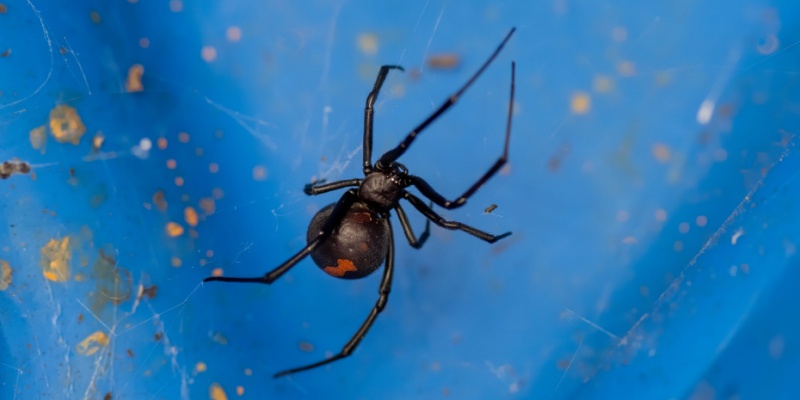
3. Black Widow Spiders
Black widow spiders are venomous and potentially dangerous, though bites are rare. Their neurotoxic venom can cause muscle cramps, nausea, and other systemic symptoms. They prefer quiet, dry, and dark environments, making them easy to overlook.
How to Spot Them:
- Glossy black body with a red hourglass marking on the underside of the abdomen
- Builds irregular, messy webs close to the ground or in corners
- Commonly found in sheds, garages, crawl spaces, and under outdoor furniture
What to Know:
- Only female black widows pose a threat; males are smaller and less venomous
- Bites are rarely fatal but require prompt medical attention
- Professional removal is strongly recommended due to the risk involved
4. Common House Spiders
These spiders are the most frequently encountered in homes and are generally harmless. They help control other pests by feeding on flies, mosquitoes, and other insects. However, their webs can accumulate quickly and become unsightly.
How to Spot Them:
- Small to medium size, typically brown, tan, or gray
- Builds classic cobwebs in corners, ceilings, and window frames
- Found near light fixtures, doorways, and quiet areas
What to Know:
- They’re not aggressive and rarely bite
- Frequent web-building may indicate a larger population
- Vacuuming webs and sealing entry points can help reduce their numbers
5. Cellar Spiders (Daddy Long Legs)
Often confused with harvestmen (which aren’t true spiders), cellar spiders are harmless and known for their long, spindly legs. They build tangled webs and prefer damp, dark environments.
How to Spot Them:
- Pale yellow or gray body with extremely long, thin legs
- Builds loose, irregular webs in corners and ceilings
- Common in basements, crawl spaces, bathrooms, and laundry rooms
What to Know:
- They vibrate rapidly in their webs when disturbed, a defense mechanism
- Their webs can accumulate quickly and attract other pests
- Regular cleaning and dehumidifying can discourage their presence
6. Jumping Spiders
Jumping spiders are small, active hunters with excellent vision. They don’t build webs to catch prey but use silk for safety lines and shelter. Their curious behavior and large front eyes make them one of the more “personable” spiders.
How to Spot Them:
- Compact body with large, forward-facing eyes
- Often black, brown, or gray with iridescent or metallic markings
- Found near windows, walls, and ceilings where they hunt for insects
What to Know:
- They’re harmless and rarely bite
- Their presence may indicate a healthy ecosystem or a minor insect issue
- They’re more active during the day and may jump when startled
Signs You Might Have a Spider Infestation
While seeing a spider here and there is normal, certain patterns suggest they’ve moved in for good. Here are the key signs to watch for:
- Multiple webs appearing in different rooms: Not just in corners—look for webs behind furniture, in closets, or near ceiling fixtures. The type and location of webs can hint at which species you’re dealing with.
- Frequent sightings in high-traffic areas: Seeing spiders in bedrooms, bathrooms, or kitchens means they’re no longer hiding. This often indicates a growing population that’s expanding its territory.
- Presence of egg sacs: These small, silk-wrapped bundles can contain dozens of spiderlings. Finding them in storage boxes, under furniture, or in window frames suggests active breeding nearby.
- Unexplained increase in other insects: Spiders follow their prey. If you’re noticing more flies, ants, or other bugs, spiders may be close behind—using your home as a hunting ground.
- Spiders found in personal items: Discovering them in shoes, clothing, or bedding is a strong sign they’ve settled into your living space. This level of intrusion often means nesting is underway.
Each of these signs points to more than just a passing visitor. Together, they suggest spiders are establishing themselves—and that it’s time to take a closer look before the problem escalates.
Understanding Spider Patterns in Your Home
Spiders aren’t just random visitors—they’re indicators. Their presence often reflects the conditions inside your home: cluttered storage areas, excess moisture, or an unnoticed insect population. While many species are harmless and even helpful in controlling other pests, their nesting behavior indoors can quickly become a concern.
Understanding which spiders are showing up—and where—is key to addressing the root of the issue. A brown recluse hiding in a closet means something very different than a jumping spider near a window. Each species has its own habits, preferences, and warning signs. And when those signs start appearing in personal spaces, it’s time to take a closer look.
Trio Pest Control specializes in identifying spider species, locating nesting areas, and eliminating the conditions that attract them. Whether you’re dealing with a sudden infestation or want a proactive inspection, Trio Pest Control delivers targeted solutions to keep your home safe and spider-free.
Contact Trio Pest Control today to team up with experts who specialize in keeping spiders out of your home.
